Article
Why Do Frank Breech Babies Hold Their Legs Up Like This?
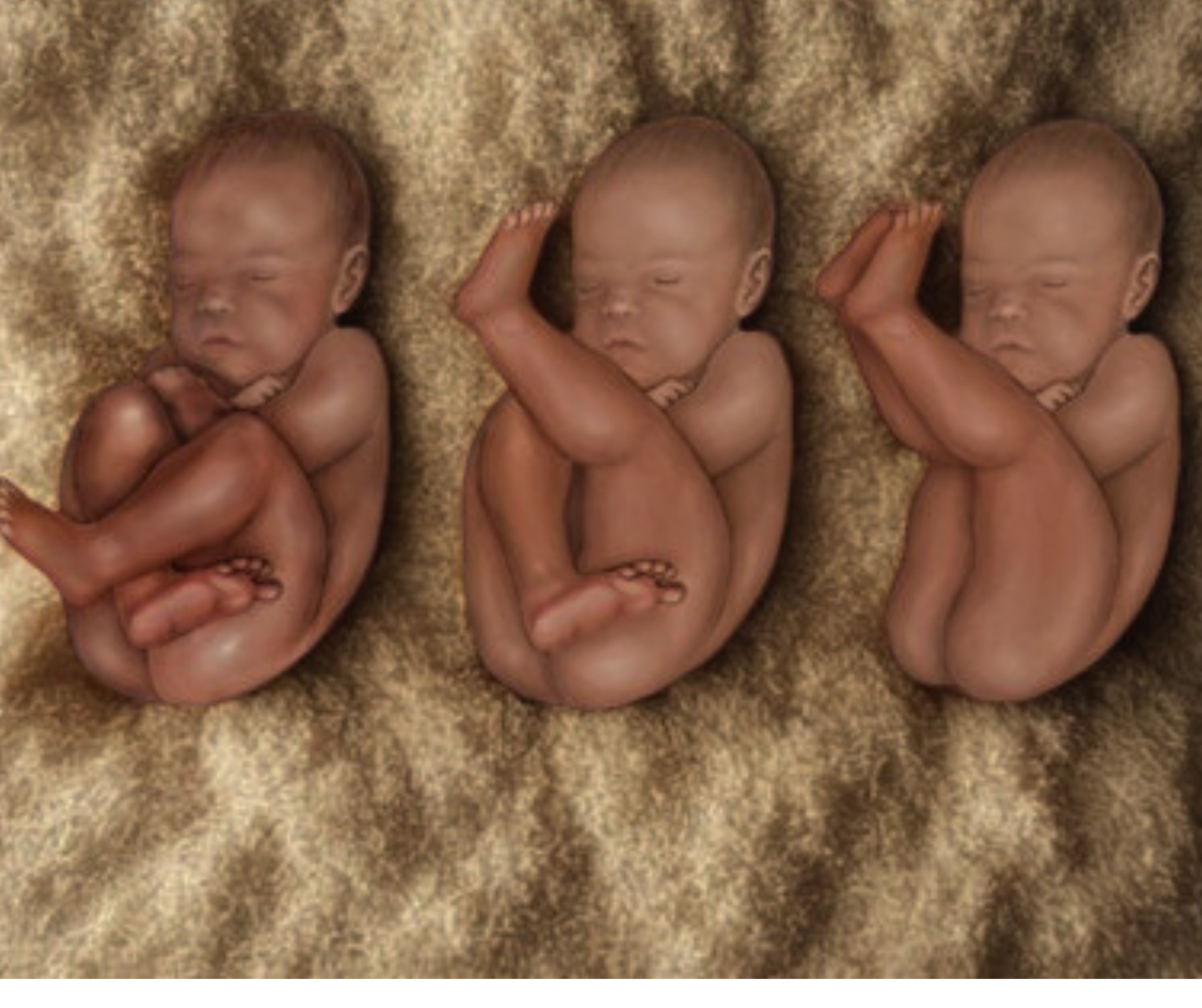
If you've ever seen a newborn lying with their legs stretched straight up towards their head, there's a good chance they spent the end of pregnancy in the frank breech position. It can look a little surprising, but it's usually completely normal. Here's why it happens and what gets checked after birth.
What does breech mean?
A baby is described as breech when they are lying bottom or feet first in the womb, rather than head down. Lots of babies are breech earlier in pregnancy, but most turn head down by themselves. By term (37 weeks onwards), around 3 to 4% of babies remain breech.
The three types of breech
- Frank breech: baby's bottom is down, with their legs straight up and their feet near their head. This is the most common type.
- Complete breech: baby is sitting cross-legged, with their knees bent and their feet near their bottom.
- Footling breech: one or both of baby's feet are positioned below their bottom, so a foot would come first.
Why do frank breech babies keep their legs up after birth?
For weeks before birth, a frank breech baby has been folded in half, with their legs extended up alongside their body. Their muscles, ligaments and joints adapt to that position in the womb. After birth, it takes a little time for everything to relax and stretch out, so many babies naturally spring back into that familiar "legs up" posture.
The good news is that this usually settles naturally over days to weeks as your baby stretches, kicks and moves freely. You don't need to force their legs down; gentle handling, nappy changes and normal movement all help.
Newborn hip checks and DDH
Being breech in late pregnancy is one of the known risk factors for developmental dysplasia of the hip (DDH). This is when the hip joint hasn't formed properly, so the ball at the top of the thigh bone sits loosely in the socket.
All babies have their hips examined as part of the newborn physical examination within 72 hours of birth, and again at the 6 to 8 week check with your GP. Because breech position increases the risk, babies who were breech at or after 36 weeks (or at birth) are offered a hip ultrasound scan at around 4 to 6 weeks of age, even if their hips seemed normal at the first check.
DDH is very treatable, especially when it's picked up early, which is why these checks matter so much.
What to look out for
Keep an eye out for any of the following, and mention any concerns to your midwife, health visitor or GP:
- Unequal leg movement, where one leg seems to move less than the other
- Difficulty opening your baby's hips or legs at nappy changes
- One leg seeming shorter than the other
- Asymmetrical skin folds on the thighs or buttocks
Trust your instincts. If something doesn't look or feel right, it's always worth asking.
If your baby is breech right now
If you're pregnant and you've been told your baby is breech, please try not to panic. Many babies turn head down on their own, even quite late in pregnancy. There are also options to discuss with your maternity team, including an external cephalic version (ECV), where a doctor or midwife tries to gently turn your baby from the outside, as well as planned vaginal breech birth or planned caesarean birth.
You deserve clear, balanced information about each option so you can make the choice that's right for you and your baby.


