Post
SHORTNESS OF BREATH IN PREGNANCY
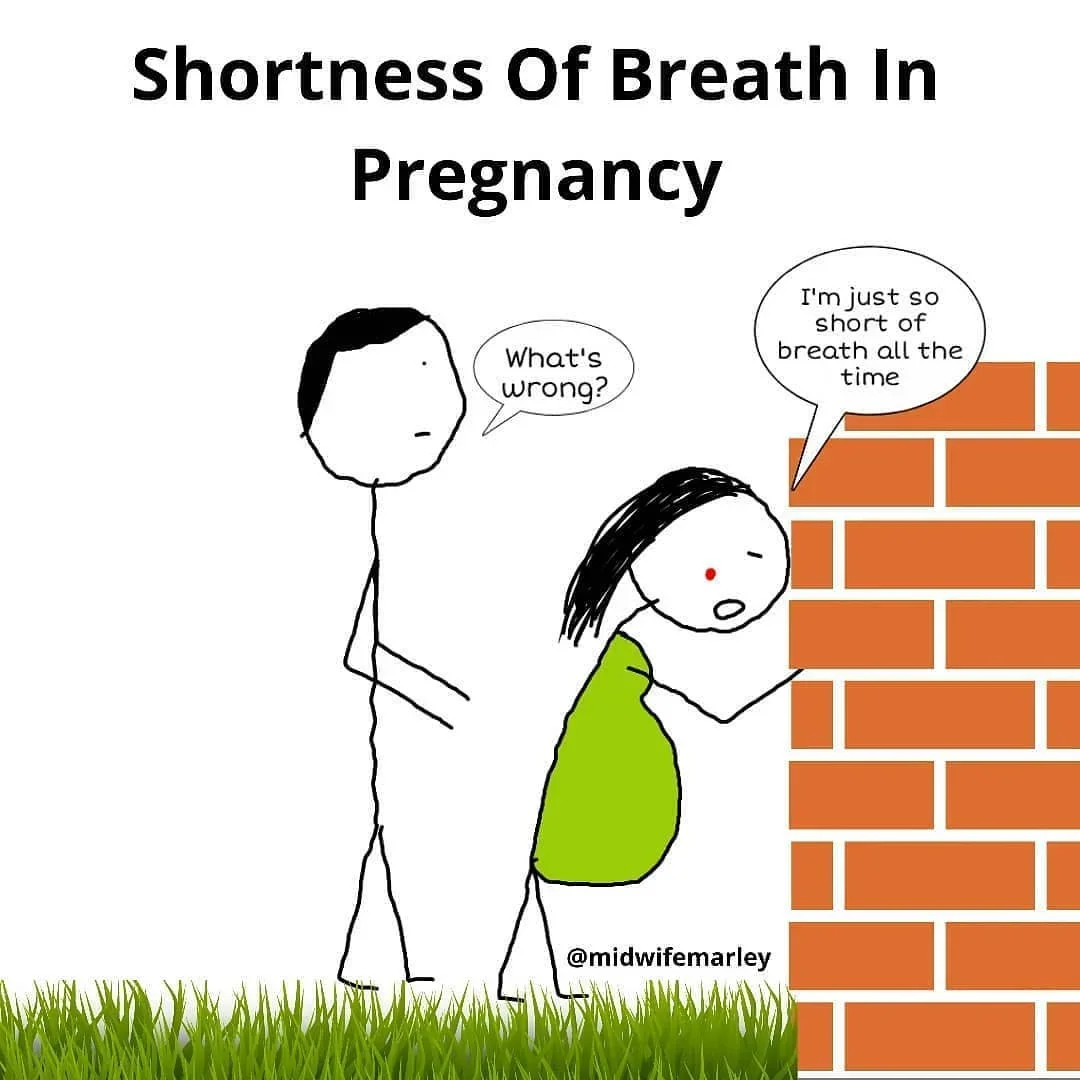
SHORTNESS OF BREATH IN PREGNANCY Lots of women experience some mild shortness of breath at certain points throughout their pregnancy and it's USUALLY harmless but there are times when shortness of breath can indicate a more serious problem. Why does shortness of breath occur? During early pregnancy the increase in progesterone can cause you to breathe more often giving you a feeling of being short of breath. The hormone expands your lung capacity allowing you to carry more oxygen to the baby. Low iron levels have also been associated with feeling short of breath.
As your pregnancy progresses, the uterus practically squashes other organs including your diaphragm which makes it hard for your lungs to fully expand. If you have gained a lot of weight rapidly or don't regularly exercise you may also be more likely feel short of breath. This doesn't mean those who kept active before pregnancy are exempt from this however!
So when should you be concerned? Shortness of breath should always be mentioned to your care provider regardless of other symptoms but seek advice without delay if:
- If you have other symptoms such as chest pain, arm pain, vomiting, headaches, dizziness, palpitations, visual disturbances
- You have a history of pulmonary embolism (PE ) or heart problems
- The shortness of breath onset is very sudden, is severe and is restricting you from doing the slightest things such as walking to the other side of the room
- You are feeling unwell, confused or have a sense of 'impending doom'
- A cough that doesn't go away or coughing up blood
- Blueness around the lips, fingers or toes - you may not notice lip colour changes in people with dark skin. It may be detected through the fingernails and mucous membranes such as the mouth instead.