Carousel
Jaundice is a condition that can affect anyone of any age
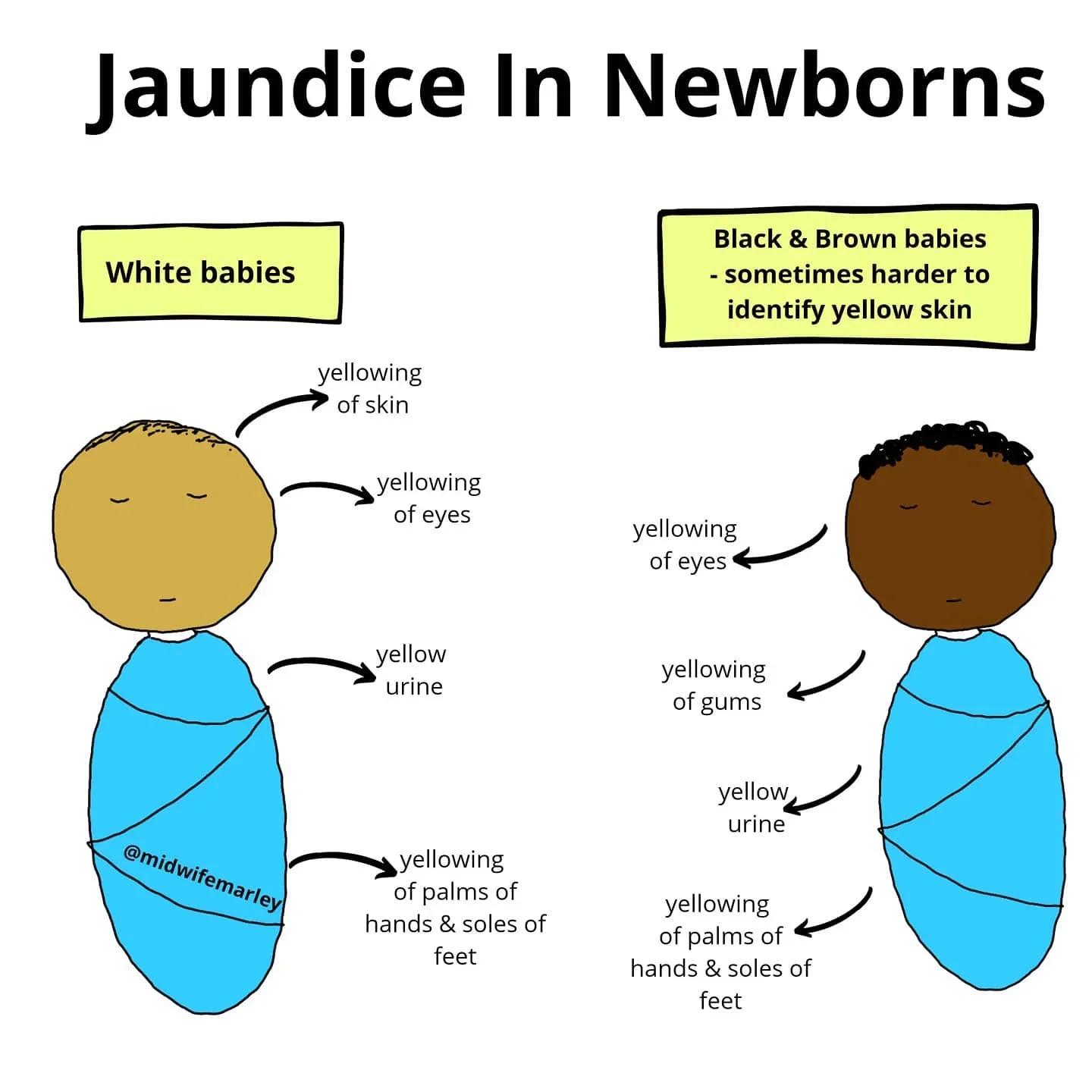


Jaundice is a condition that can affect anyone of any age. It's more common however to see it in newborns as opposed to adults. Jaundice occurs when there is too much of a substance called bilirubin in the blood. Bilirubin is a yellow waste product of red blood cells and it's the livers job to remove it. A baby's liver is immature so often are unable to remove the bilirubin quick enough, causing an excess amount to build up. . There are 2 types of jaundice in newborns - physiological (also referred to as breastmilk jaundice) and pathological. . Physiological jaundice usually occurs around 3 days after the baby is born and causes mild yellowing. It's fairly common in breastfed babies and usually resolves itself after a couple of weeks with lots of feeding. Occasionally it can go on for longer. Pathological jaundice is not normal and can occur within 24 hours of life causing severely high bilirubin levels. This type of jaundice may be caused by liver or blood disorders. . There are several indicators which may suggest your baby has jaundice including yellowing of the skin which is easier to identify in white babies, bright yellow urine, yellow whites of the eyes, soles of feet and palms of hands and yellowing of gums. Some of these are subtle whilst others are obvious. A very obviously jaundiced baby may need a blood test to check how high the bilirubin levels are. If high, your baby may need to go under a UV lamp to help clear the jaundice. In rare cases, the bilirubin levels are high enough to warrant a blood transfusion. A very jaundiced baby may be really sleepy and difficult to wake for feeds. If you suspect jaundice, be sure to raise with your care provider during your postnatal care. . The 2nd picture is of my baby at a few days old. She looks like a normal black baby but if you zoom in to the whites of her eyes you can see they were yellow. I identified the jaundice before anyone else noticed and was able to push for a test which showed her levels were high. The 3rd picture shows her asleep, again you probably wouldn't think she had jaundice knowing the colour of her parents. It's important not to overlook this when assessing a black or brown baby