Antenatal Care & Screening
Appointments, scans, tests and what to expect from your maternity care.
From Birth Sensory®
Build a birth plan around how you cope
Birth Sensory® learns how you respond to sound, touch, movement and communication, then turns it into a personalised birth plan you can print and share with your birth team. Created by registered midwife Marley Henry.
45 resources
 Reel2:38
Third-trimester growth scans: why they aren't always accurate
7 May 2025
 Carousel
Newborn jaundice: signs, causes and when to get help
Based on a true story.... Jaundice is a condition that can affect anyone of any age but is more common in newborns. It occurs in around 60% of newborns overall and 80% of premature babies. …
21 March 2025
 Reel0:54
Amniotic fluid levels at the end of pregnancy
9 January 2025
 Reel0:43
Informed choice in pregnancy and birth
18 May 2024
 Reel0:48
Placental abruption explained
6 February 2024
 Carousel
Chickenpox in children: our family's experience
My two youngest have finally succumbed to chicken pox. The older children got it at 1-2 years of age, so it's hit a bit later for these two, at 4 and 6 years. Most of us in the UK have to deal…
22 April 2023
 Post
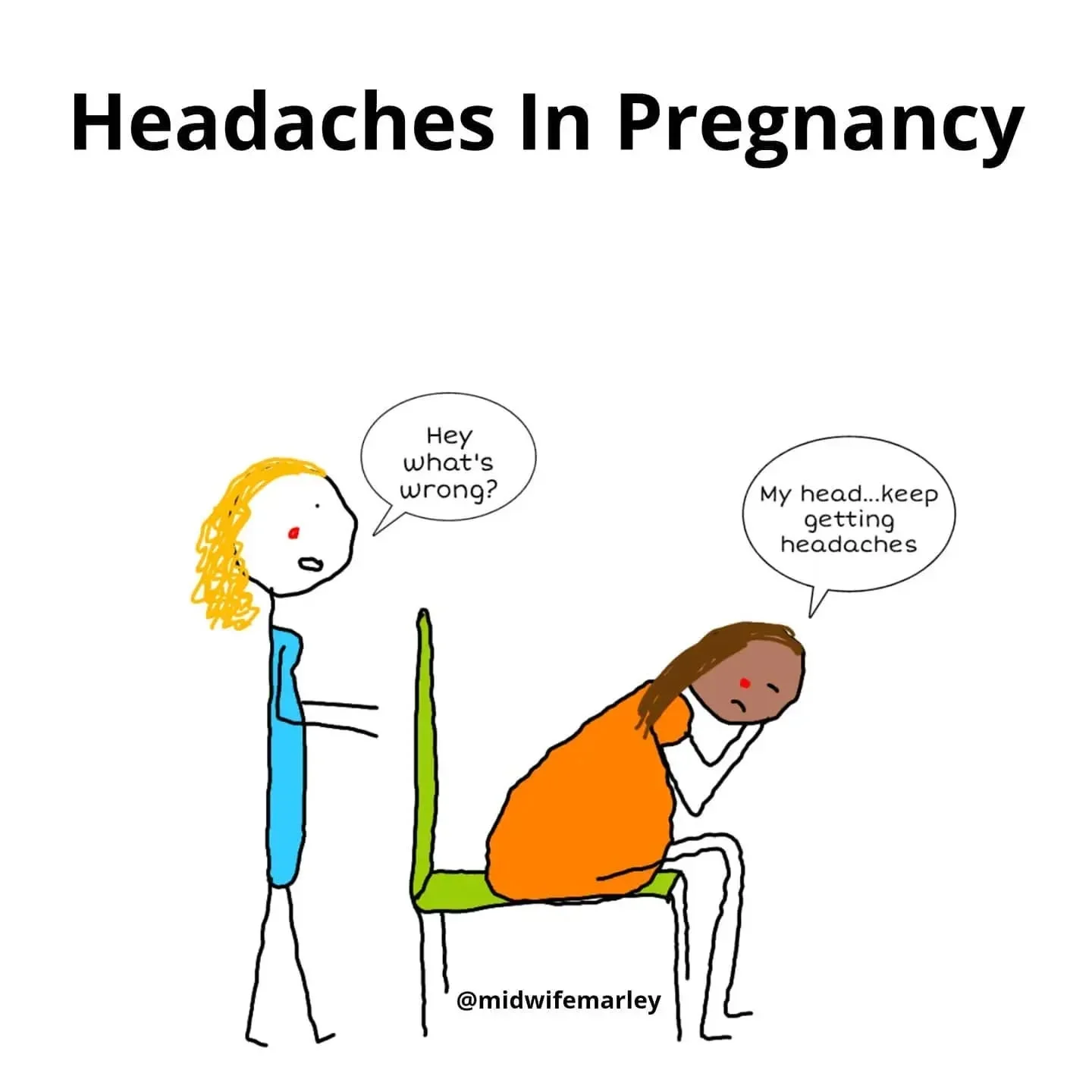
Headaches in pregnancy: causes and when to get checked
Headaches in pregnancy are really common. Hormonal changes usually mean they may happen quite a bit in the first few months but tend to get better by the time you're around 6 months pregnant.…
23 March 2023
 Post
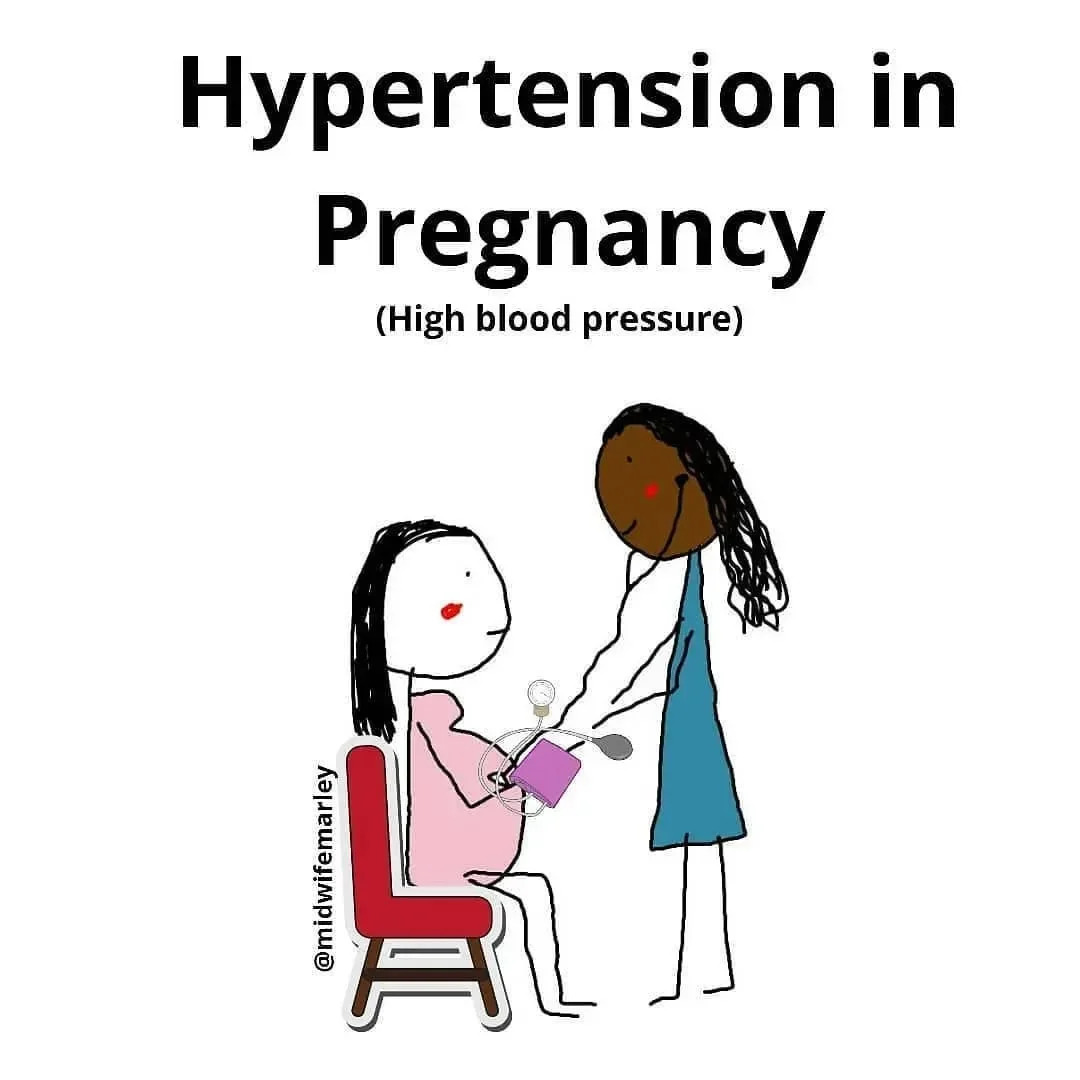
High blood pressure in pregnancy: extra monitoring explained
If you're pregnant and have a history of high blood pressure (hypertension), or have developed high blood pressure for the first time in pregnancy, you will be monitored carefully by your care…
10 August 2022
 Post
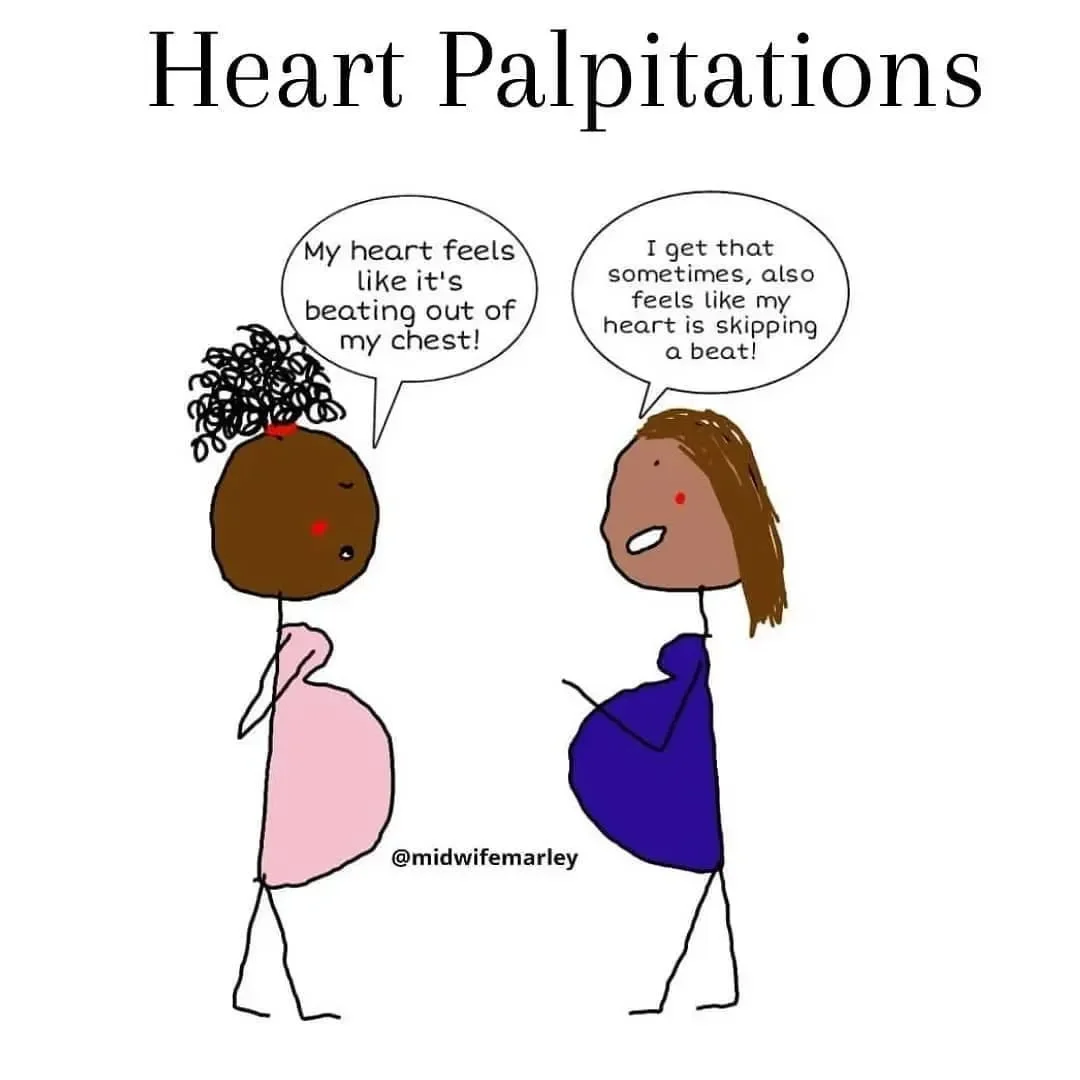
Heart palpitations in pregnancy: why they happen
HEART PALPITATIONS IN PREGNANCY Your body is carrying extra blood and this can cause your heart rate to increase about 25% faster than usual. A faster heart rate can result in occasional…
4 July 2022
 Post
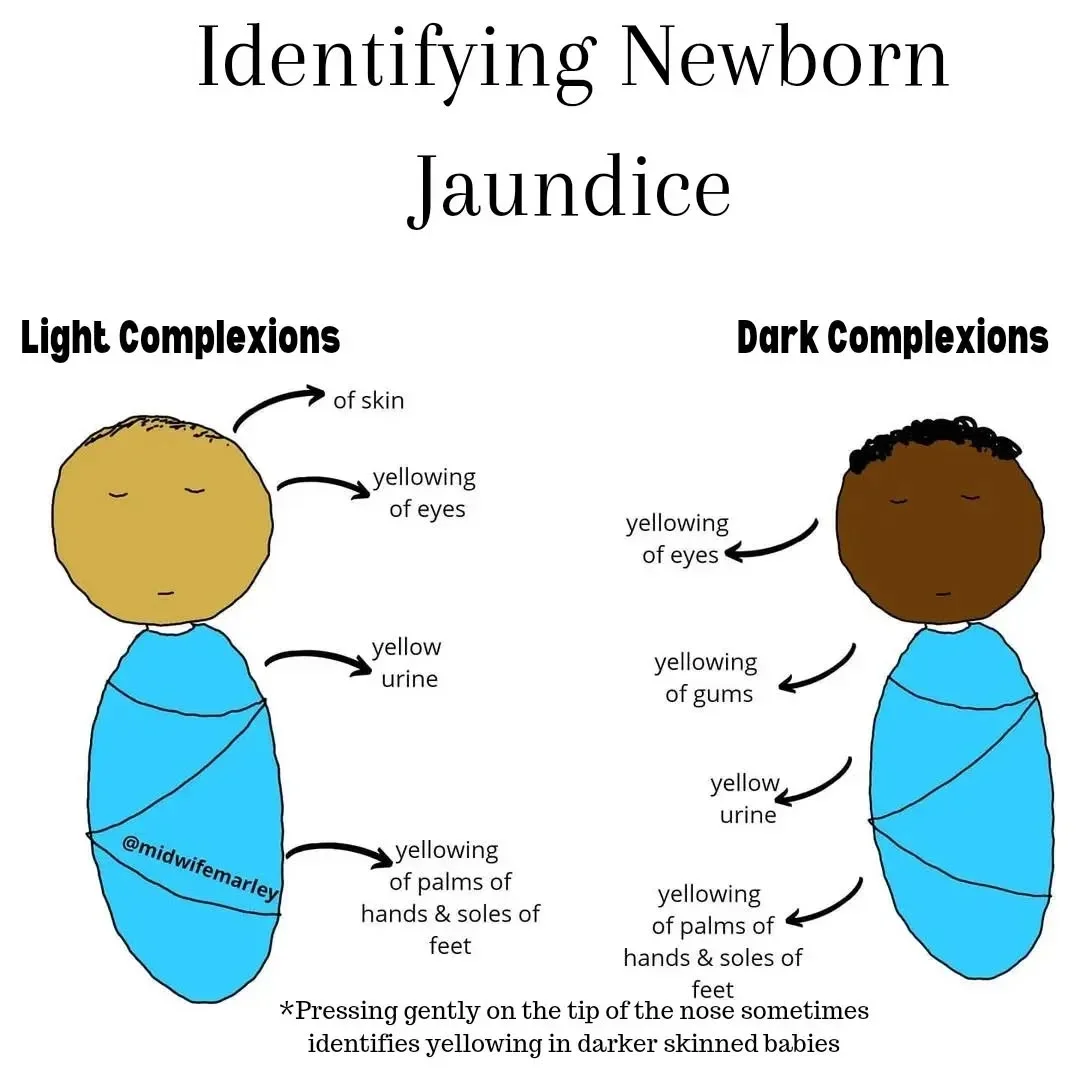
Newborn jaundice: how common it is and what to look for
Jaundice is a condition that can affect anyone of any age but is more common in newborns. It's extremely common, affecting around 60% of newborns overall and 80% of premature babies. Jaundice…
16 May 2022
 Post
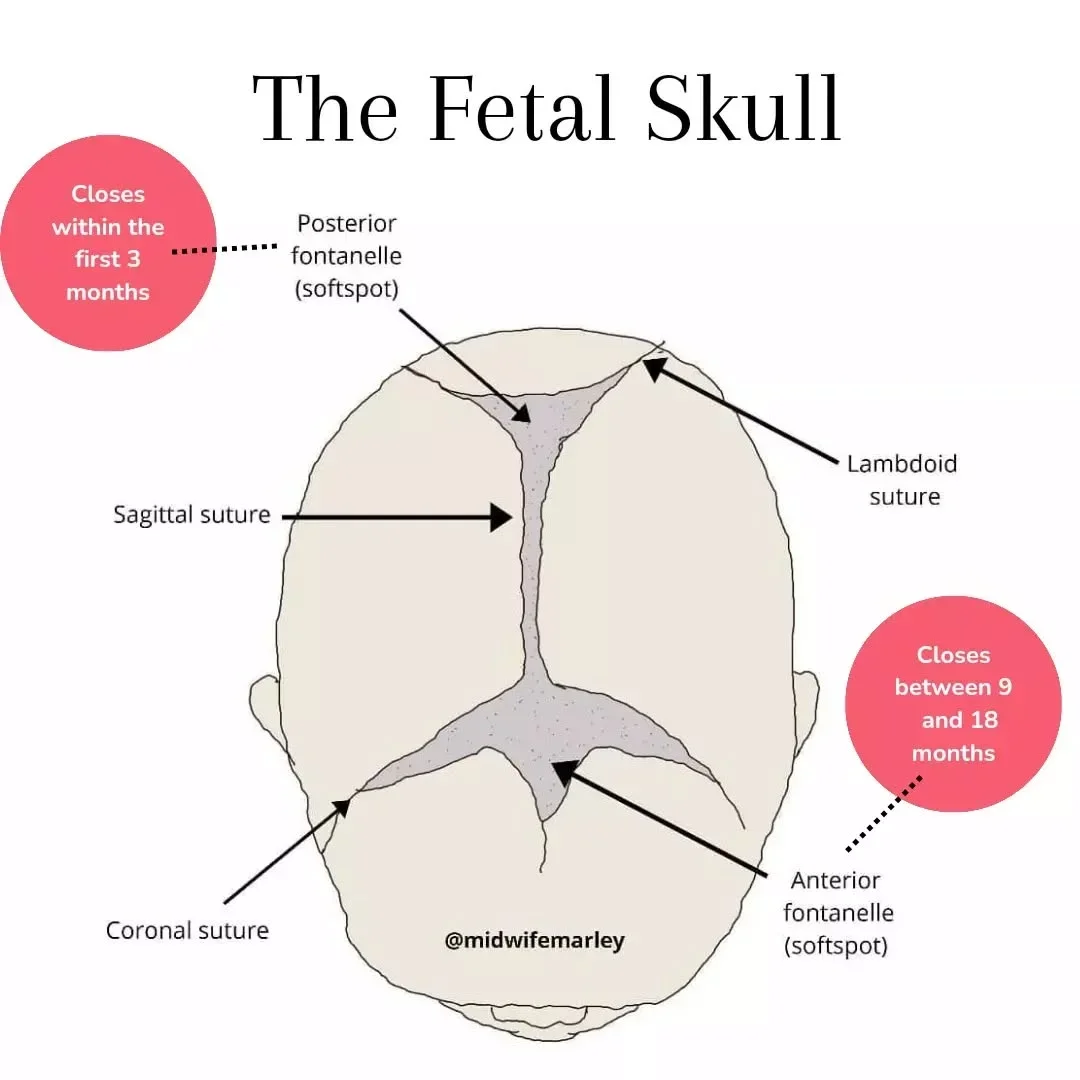
Baby's skull and fontanelles: how they're designed for birth
A baby's skull is designed in such a way that it allows for rapid growth of the brain during pregnancy, and so that it can withstand birth. The position of the baby in the uterus can be deterimed…
1 April 2022
 Post
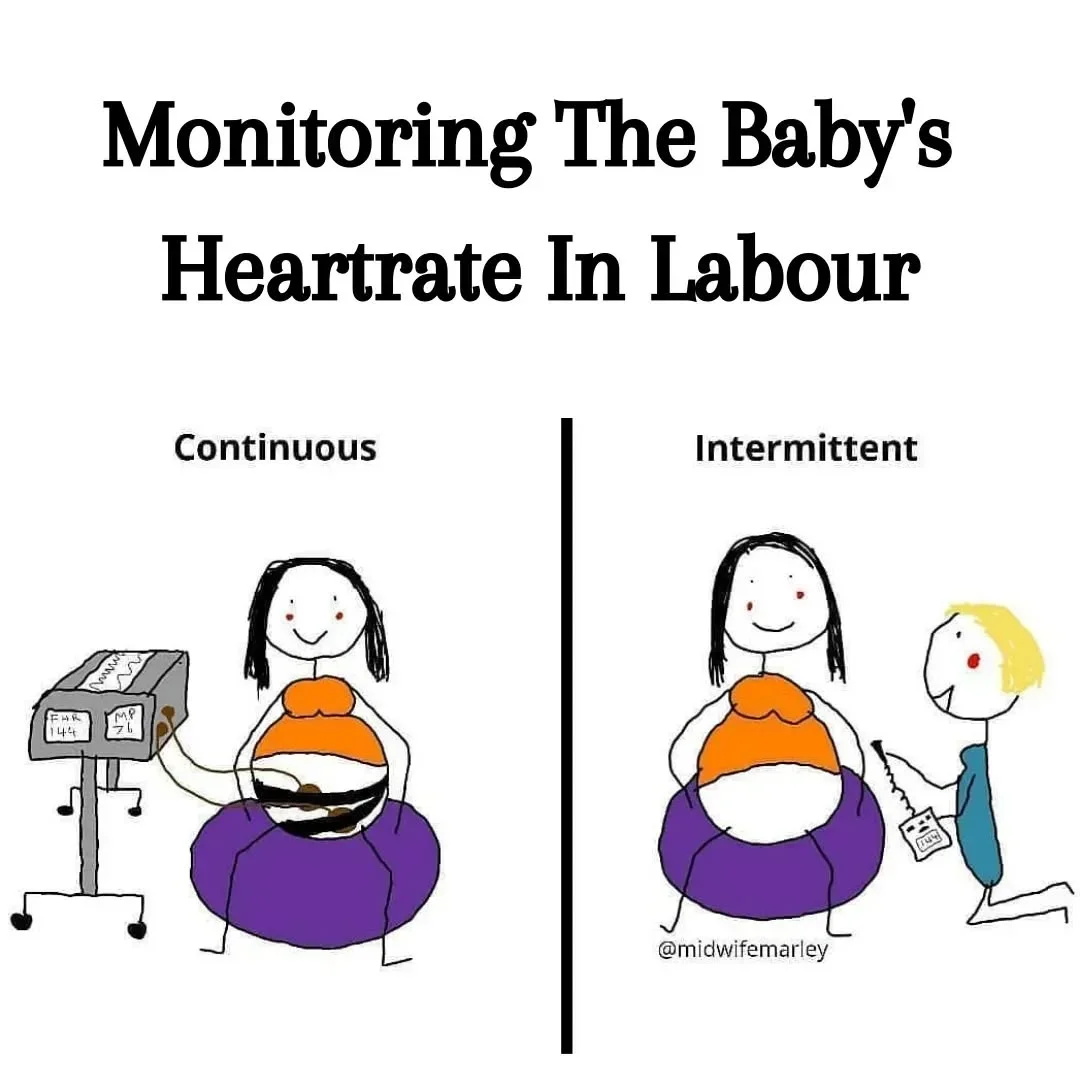
Fetal heart rate monitoring in labour: CTG and Doppler
Monitoring your baby's heartrate during labour. During labour, you will be offered fetal monitoring as a way of checking the baby's wellbeing. There are 2 main methods used: Cardiotocograph (CTG…
17 March 2022
 Post
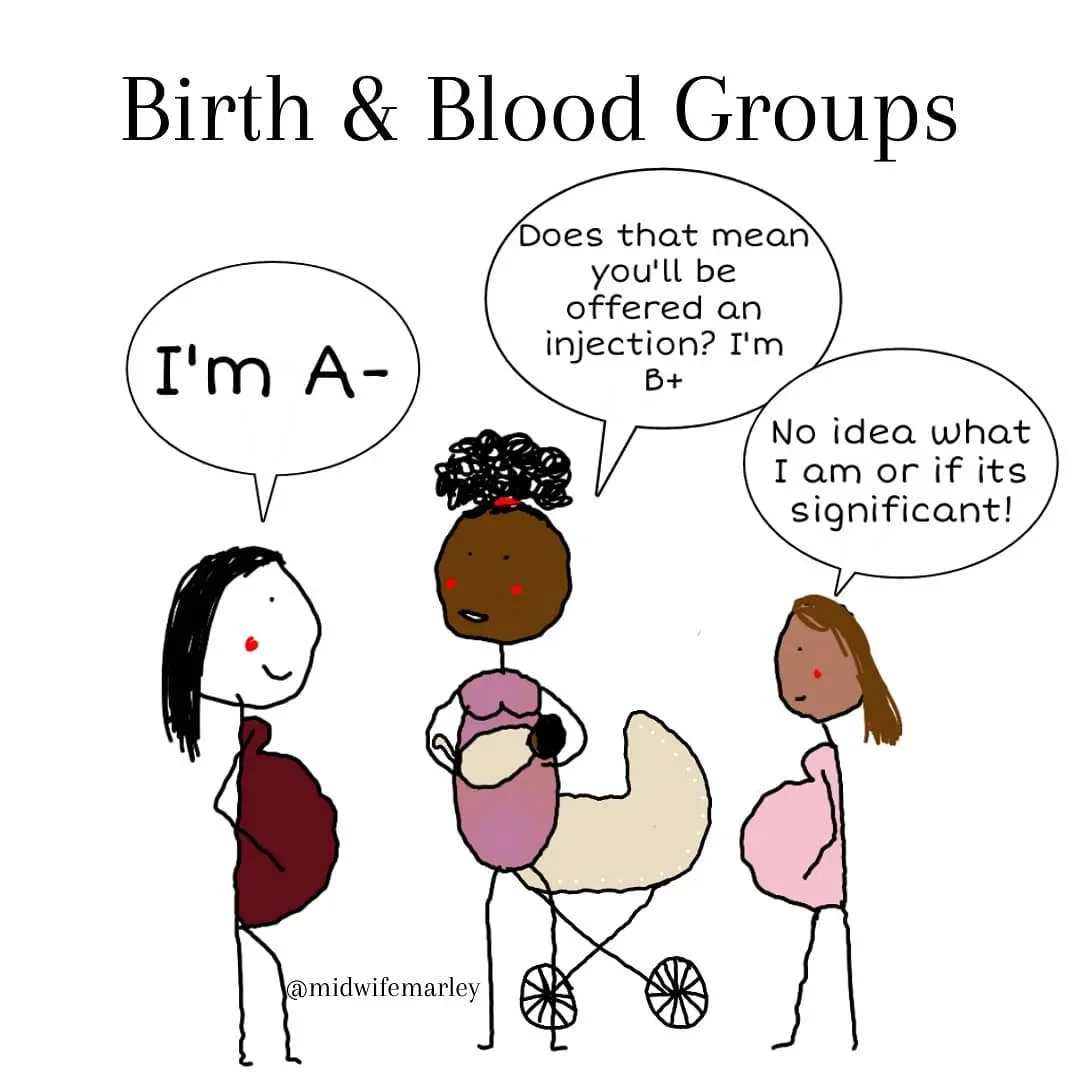
Blood groups and rhesus negative in pregnancy
Do you know your blood group? There are 4 main blood types- A,B,AB and O. Each blood type is either Rhesus D positive or negative so in total there are 8 blood groups. Rhesus D positive (for…
28 May 2021
 Post
Itchy bump in pregnancy: PUPP rash and when to worry
As your pregnancy progresses and your bump grows, it's quite common to itch on your abdomen at times as the skin stretches. Some women develop a hive type rash called Pruritic urticarial papules…
17 May 2021
 Post
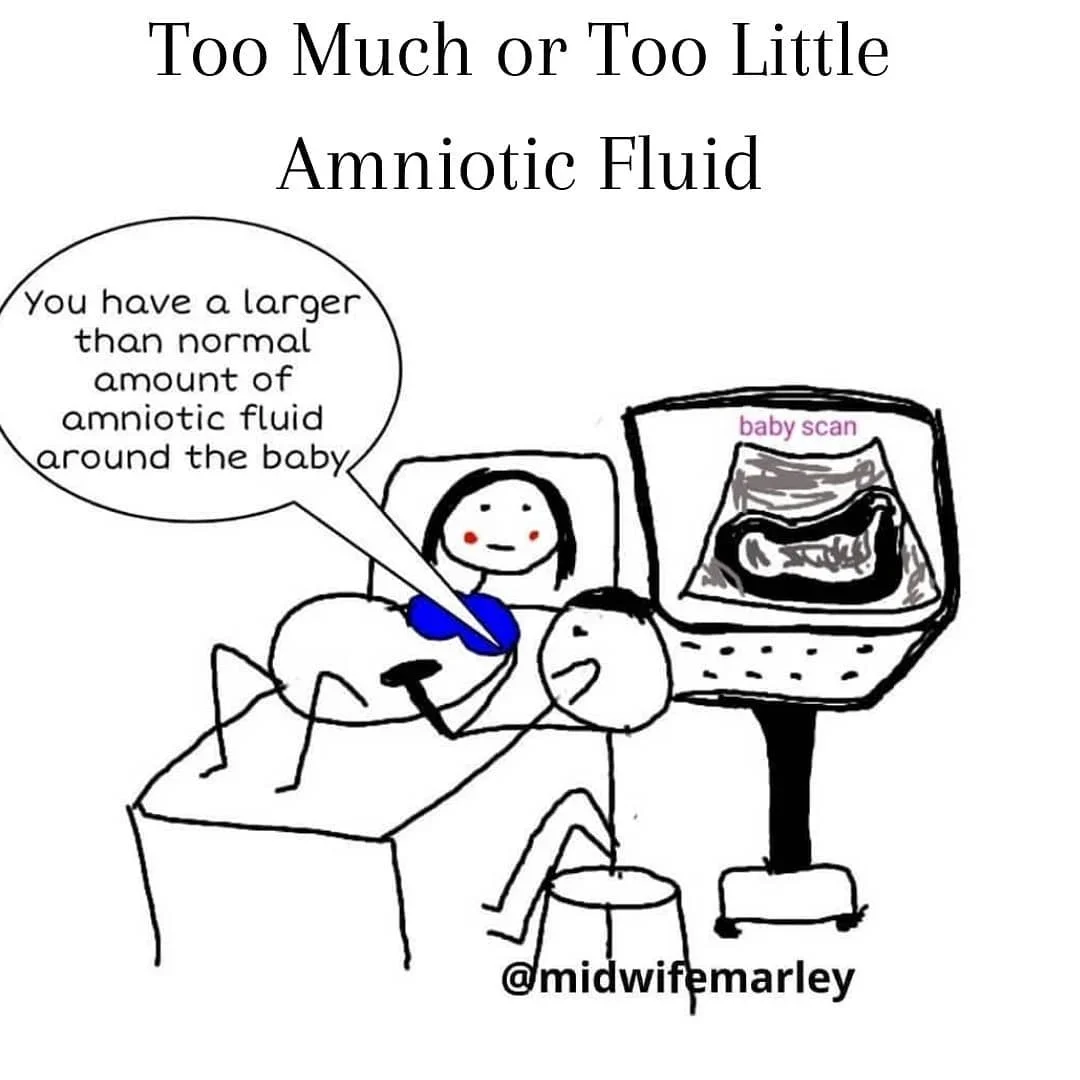
Polyhydramnios and oligohydramnios: amniotic fluid levels
Too much fluid around the baby (polyhydramnios) or too little fluid (oligohydramnios) can cause worry and concern for expectant mums. Polyhydramnios affects around 2% of pregnancies and is…
8 April 2021
 Post
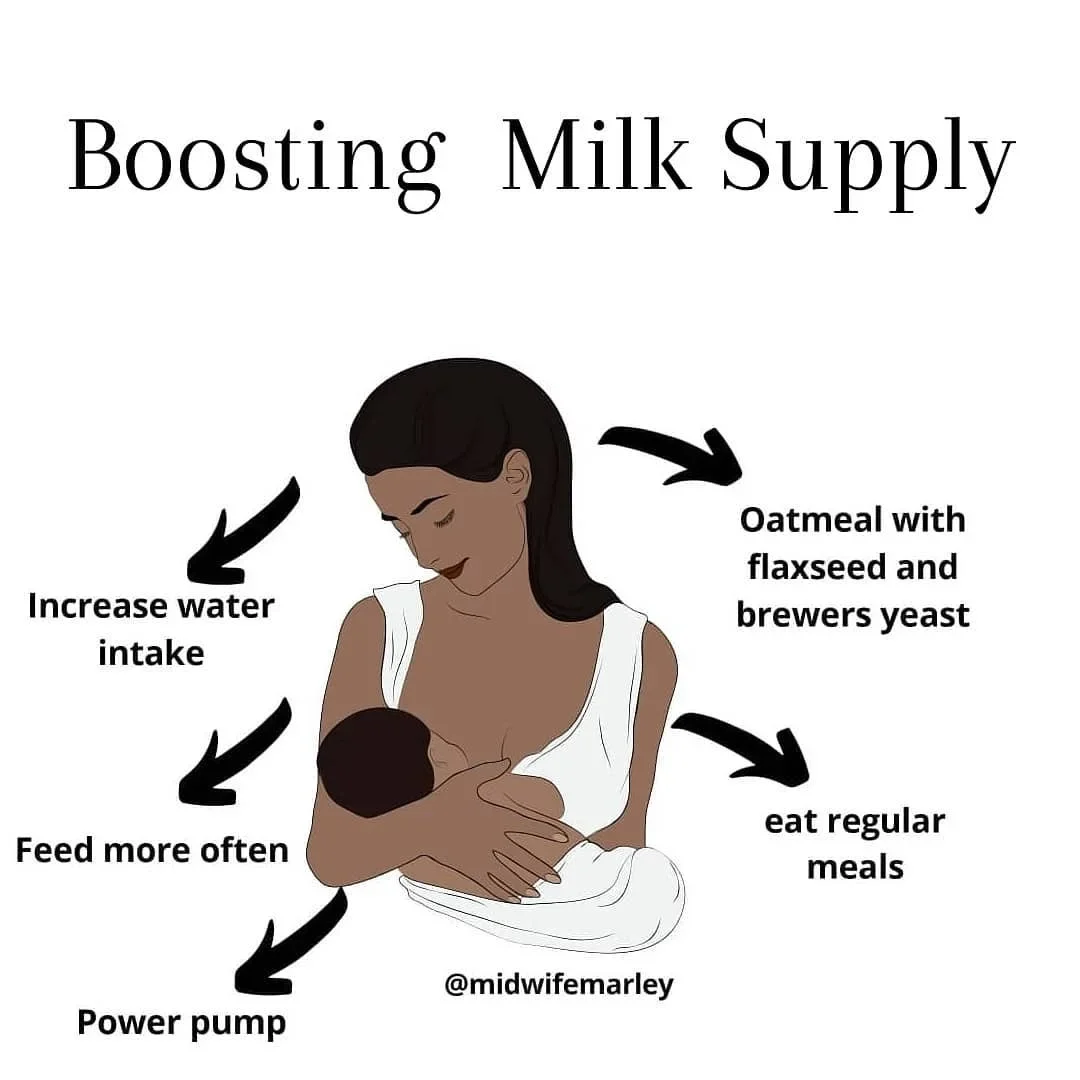
How to increase breast milk supply
Increasing milk supply. If you ever feel like your breastmilk supply is dwindling, there are some things you can try to increase it. My number one favourites are increasing water intake to at…
22 February 2021
 Post
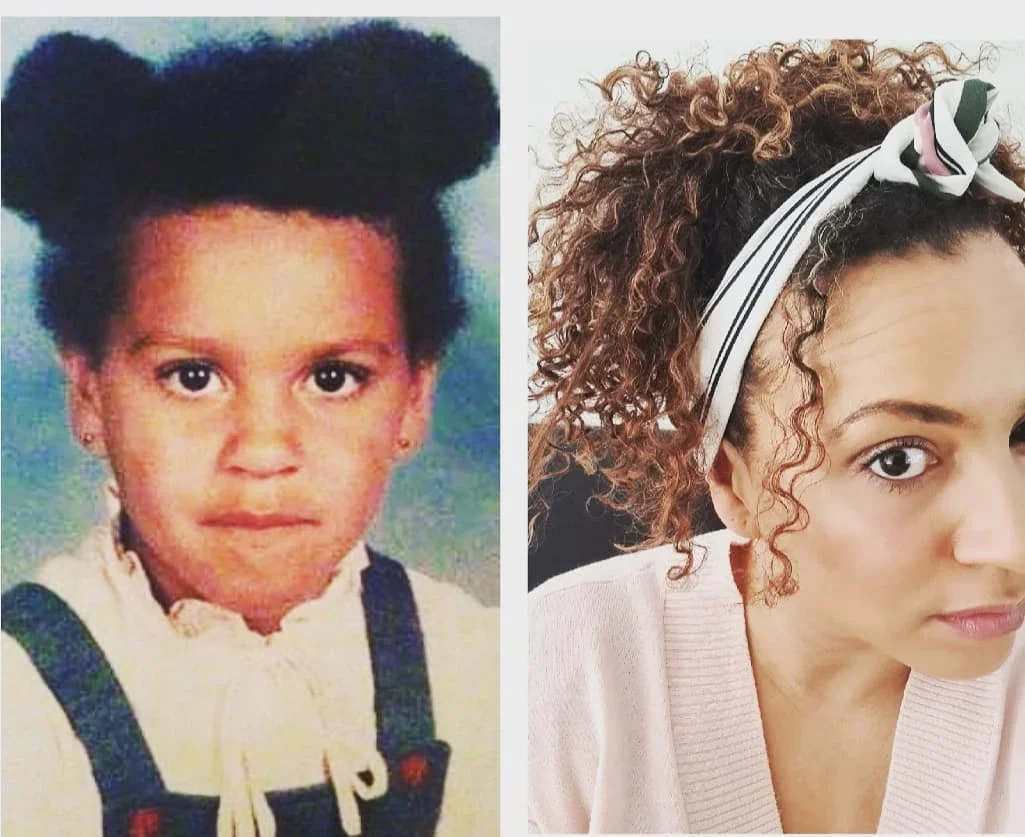
Postpartum hair texture changes: curly or straight?
We've all heard about postpartum hair loss, but did you know your hair can also change texture afterwards? Some people have reported their hair has become curlier or straighter after children. In…
16 February 2021
 Post
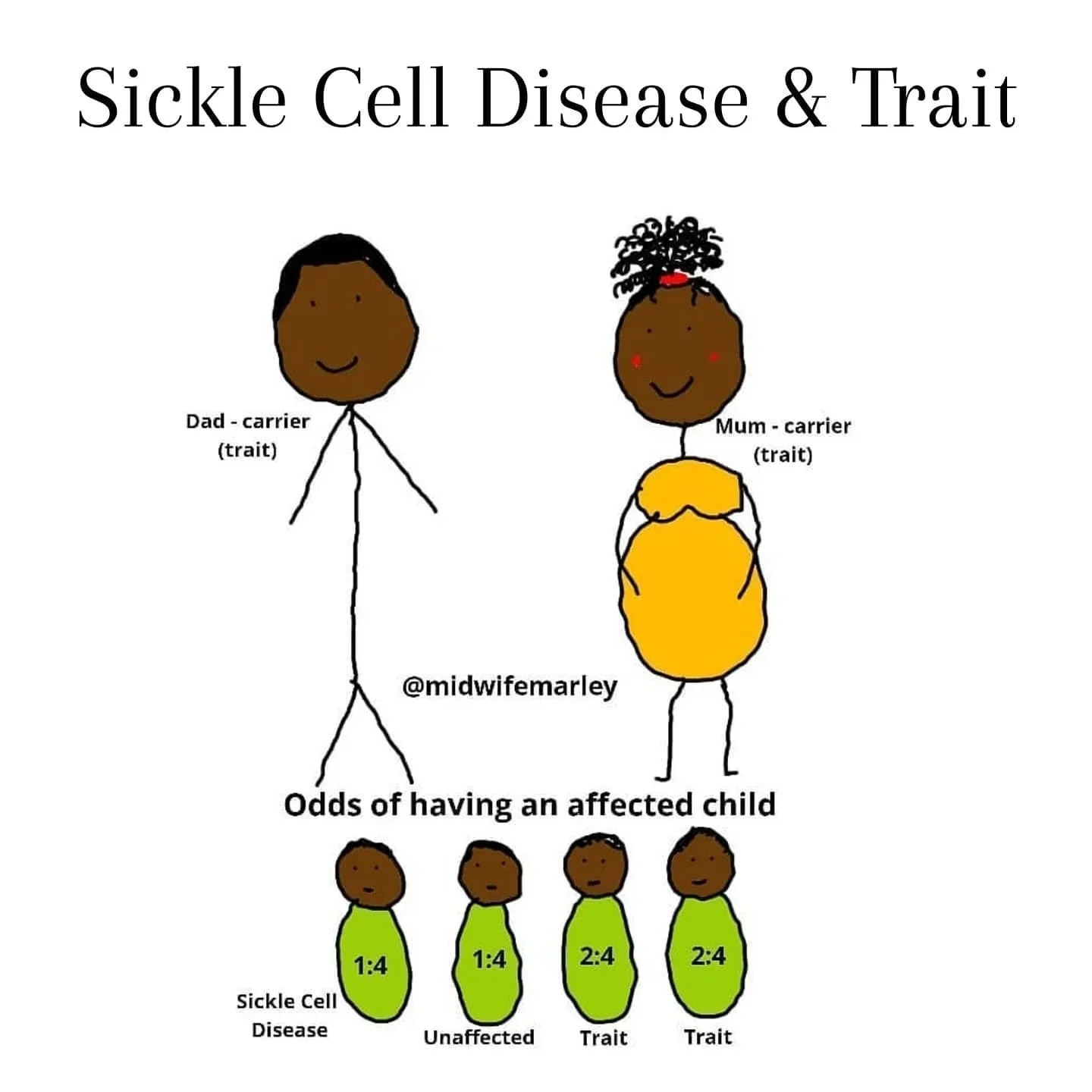
Sickle cell disease: what parents should know
Sickle cell disease is the name for a group of inherited health conditions that affect the red blood cells. The most serious type is called sickle cell anaemia. Sickle cell disease is more…
1 February 2021
 Post
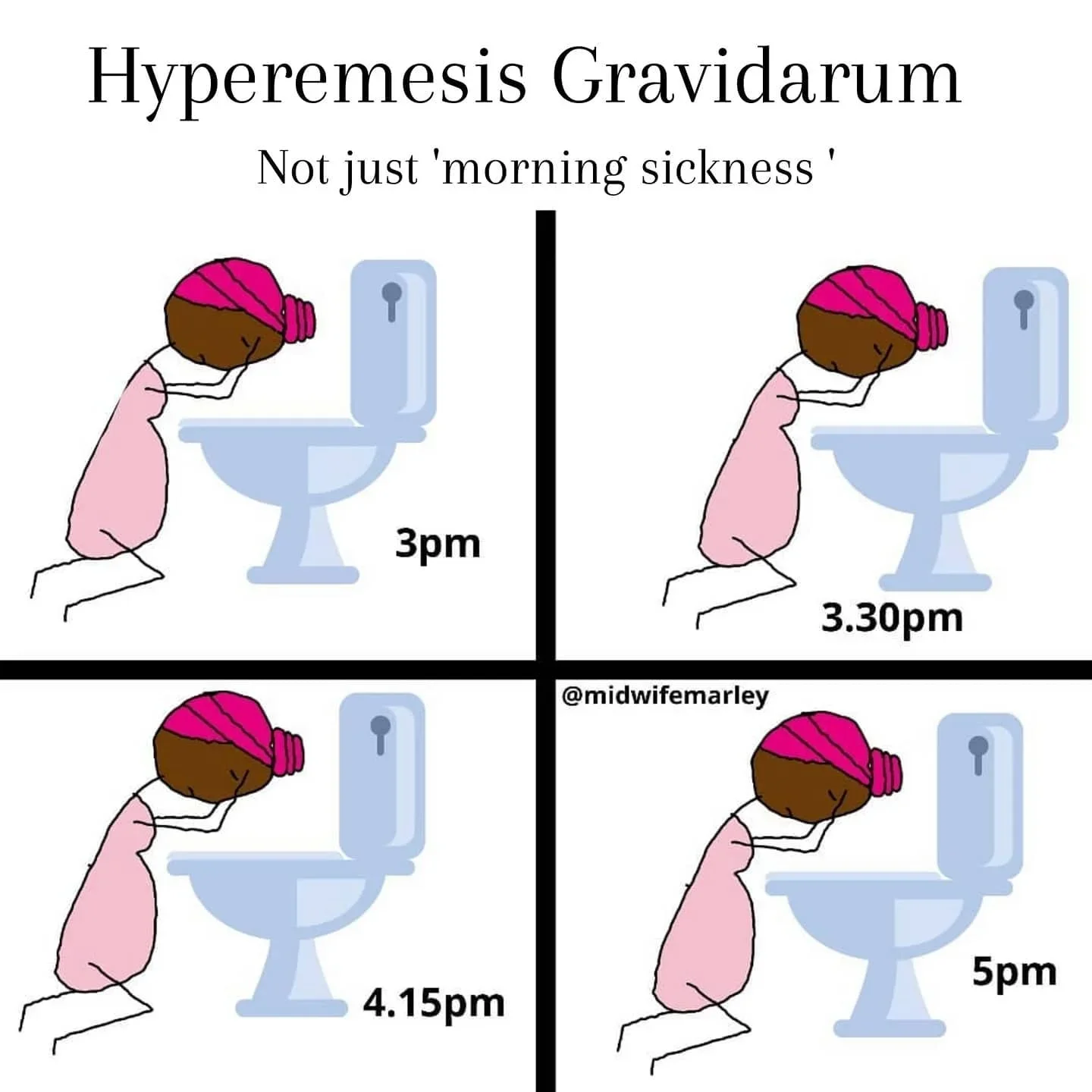
Hyperemesis gravidarum (HG): severe pregnancy sickness
Hyperemesis gravidarum (HG) is a debilitating form of vomiting that affects around 1% of pregnancies. Morning sickness, suffering from typical pregnancy nausea and the odd bout of vomiting in…
24 January 2021
 Post
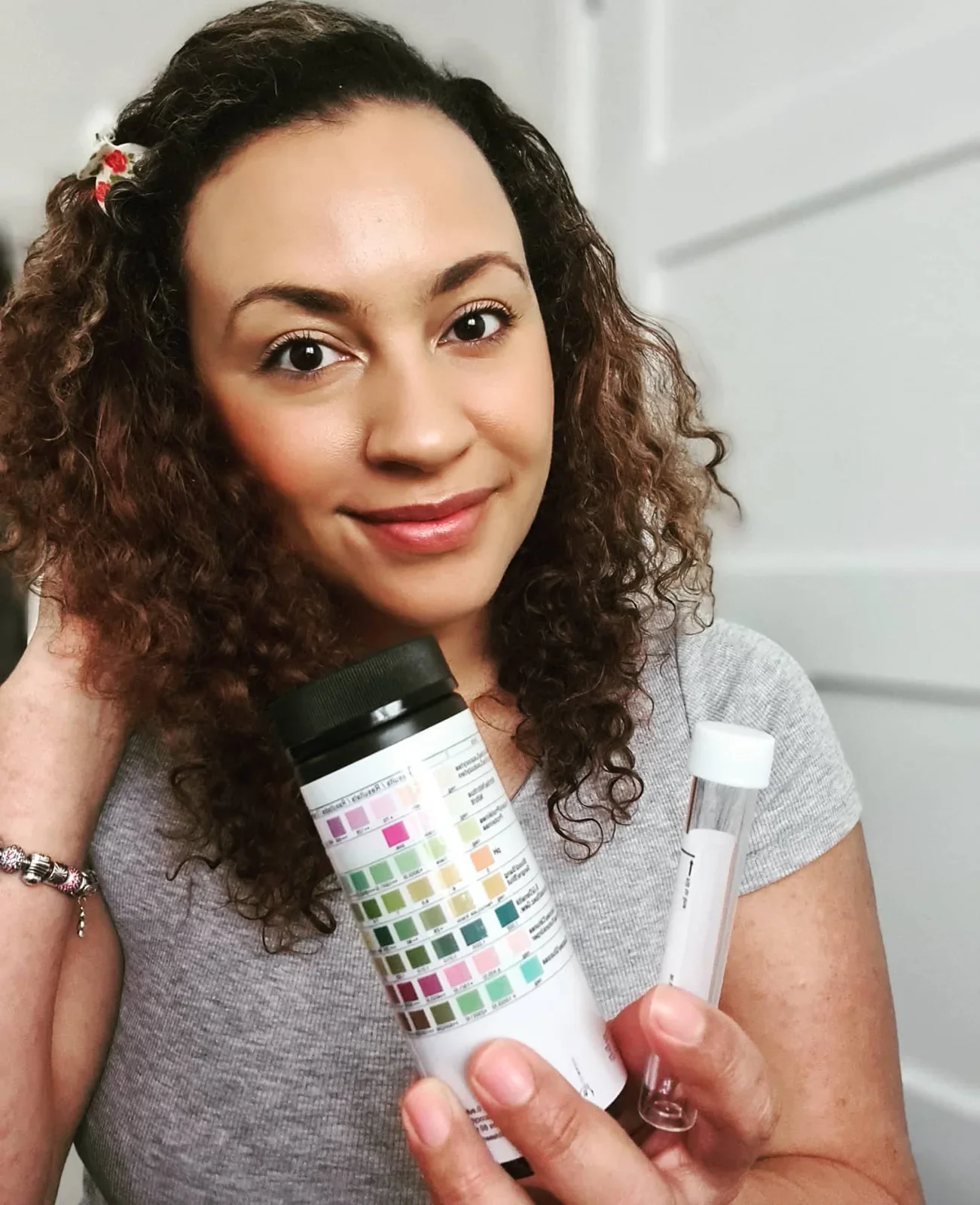
Why your urine is tested at antenatal appointments
Why do we test your pee in pregnancy. It's lovely isn't it, having to pee into a tiny, skinny little pot when you can barely see your feet let alone which angle you're peeing! If you're lucky,…
13 December 2020
 Post
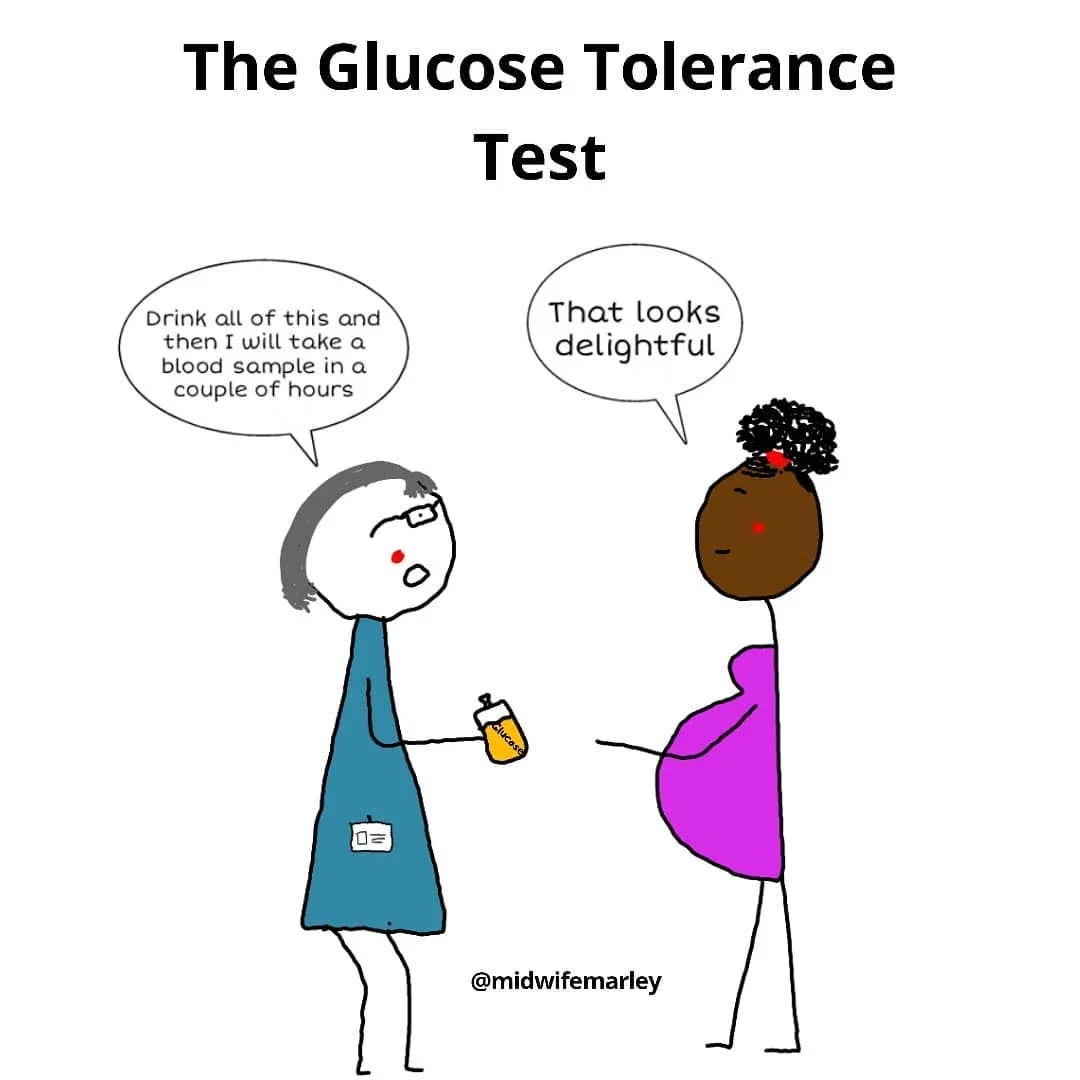
Glucose tolerance test (GTT) in pregnancy: what to expect
A Glucose tolerance test (GTT) is sometimes done in pregnancy to see how the body measures glucose. If its deemed necessary, it is routinely performed at 26-28 weeks of pregnancy (earlier if you…
2 December 2020
 Carousel
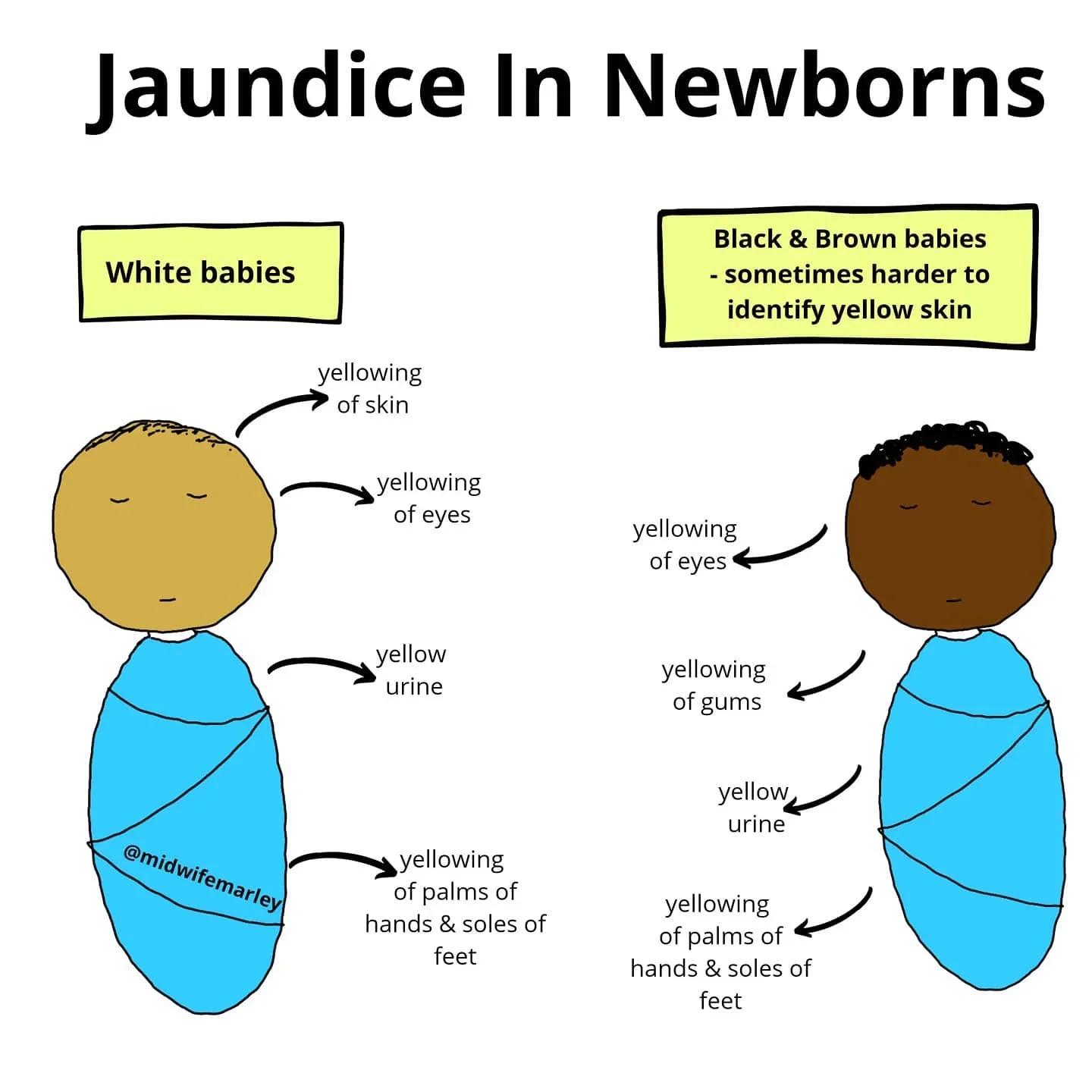
Jaundice in newborns: why it happens
Jaundice is a condition that can affect anyone of any age. It's more common however to see it in newborns as opposed to adults. Jaundice occurs when there is too much of a substance called…
20 September 2020
 Post
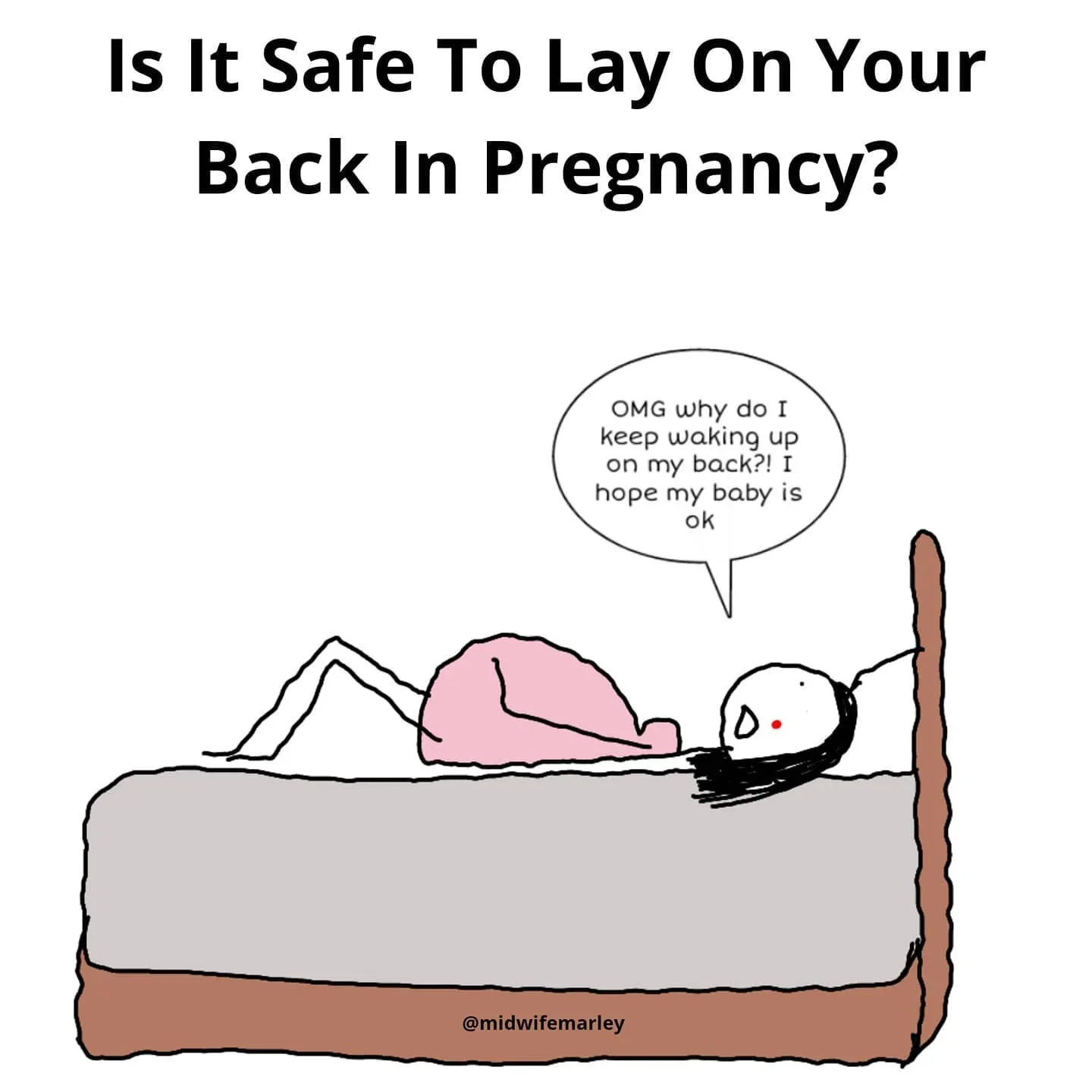
Sleeping on your back in pregnancy: what's safe?
Should you lay on your back? Left side? Right side? What about if you wake in the night and you're on your back? Whats the big deal with laying on your back during pregnancy? Well there is a…
16 September 2020
 Post
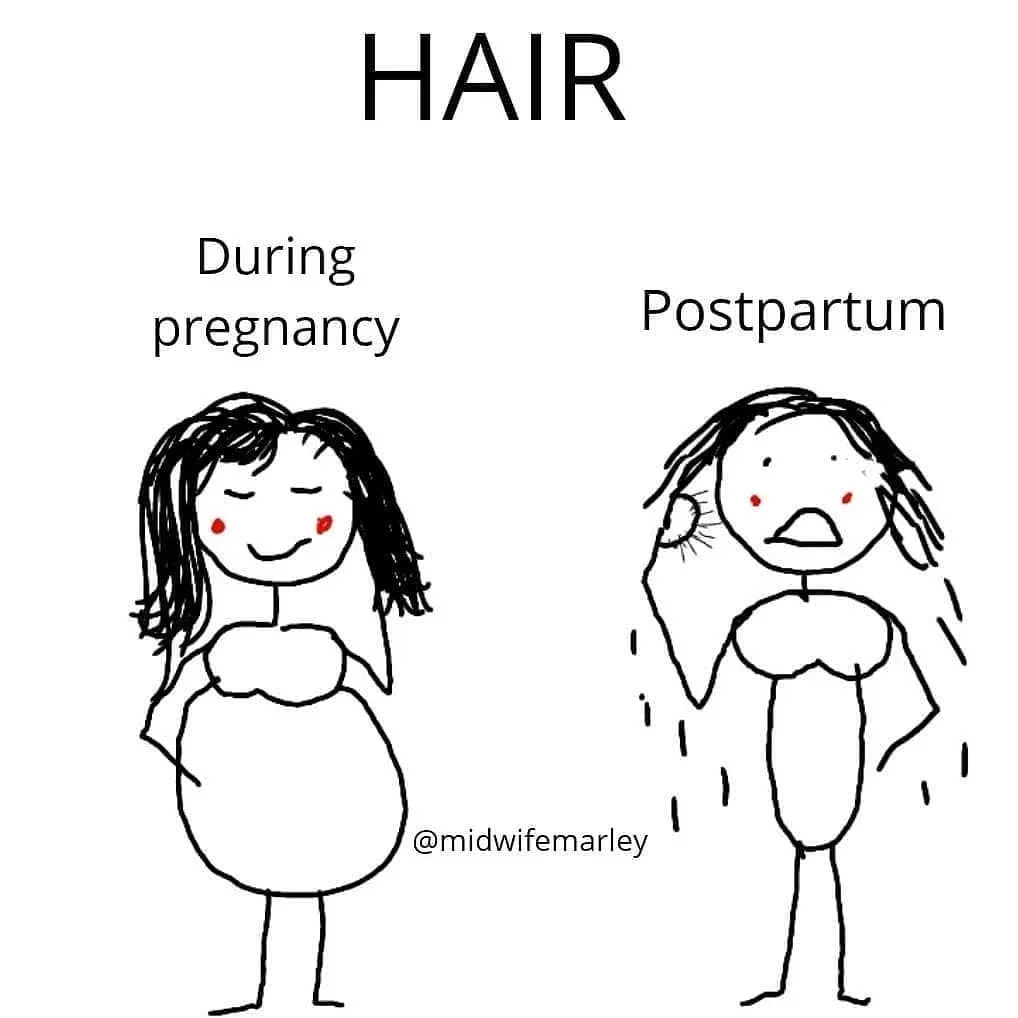
Pregnancy hair changes: why my hair changed every time
I posted this last year before I perfected Betty's look. She's looking much better now 😂 • • • • • • Whhyyyyyyy?! Whenever I have been pregnant, the condition of my hair is amazing. It seems to…
19 July 2020