Carousel
My two youngest have finally succumbed to chicken pox

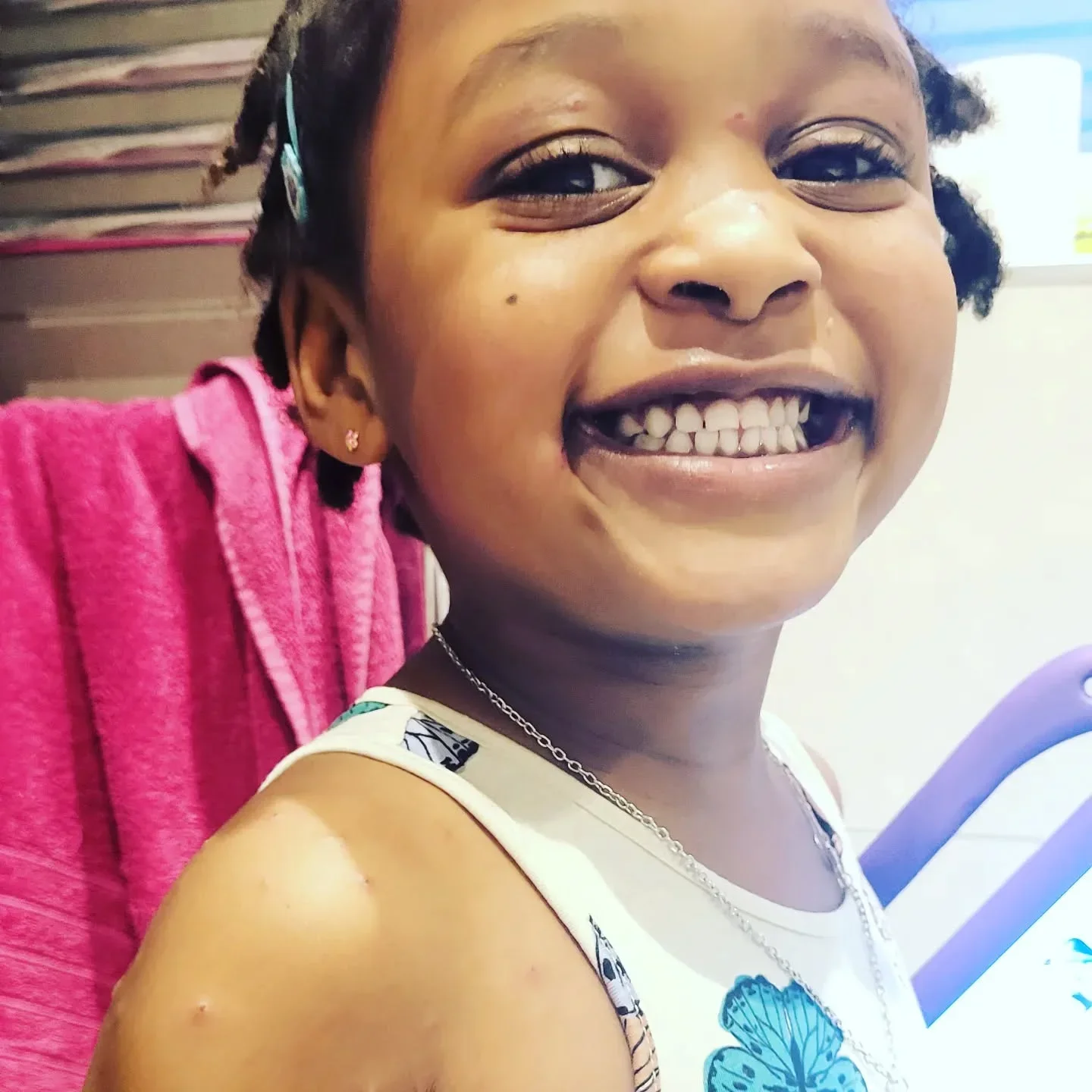
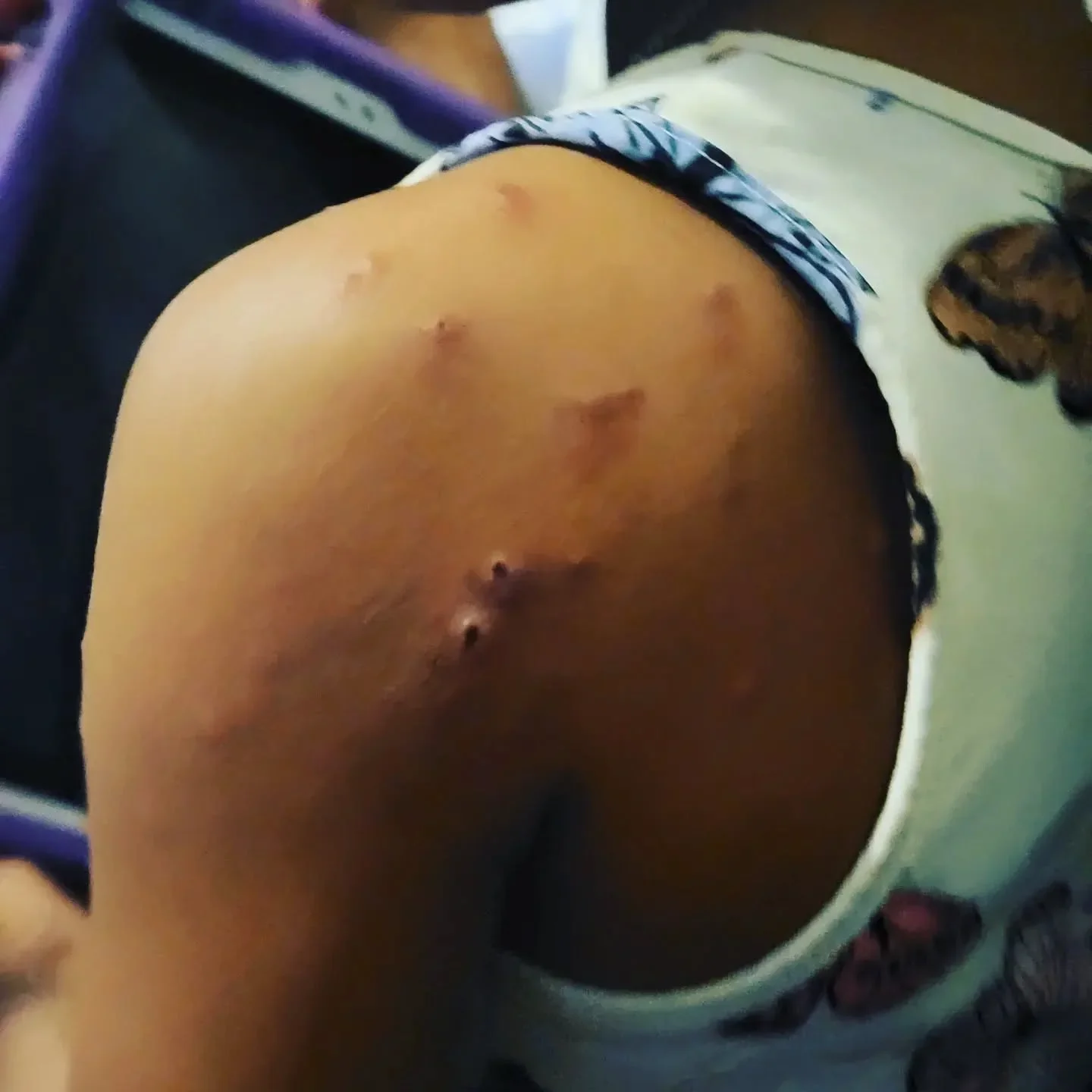
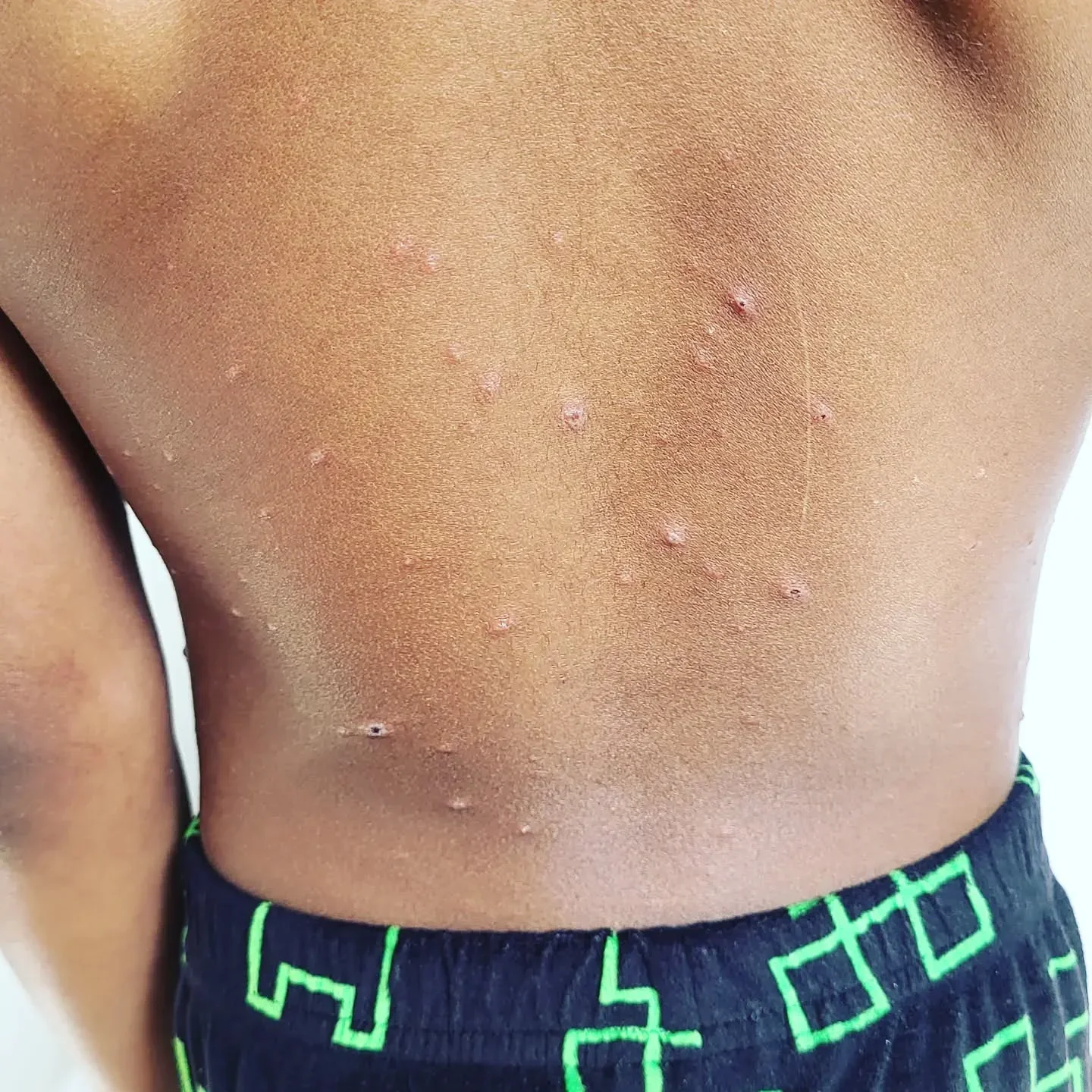
My two youngest have finally succumbed to chicken pox. The older children got it at 1-2 years of age, so it's hit a bit later for these two, at 4 and 6 years.
Most of us in the UK have to deal with at some point as vaccination isn't routine. It's caused by the varicella-zoster virus and is highly contagious.
Chicken pox can look different on different skin complexions. While on fair skin, it may appear as small pink fluid filled bumps, on brown and darker skin, it can manifest as purple & dark brown blisters.
Common symptoms of chicken pox include fever, headache, and an itchy rash that usually starts on the face, chest, and back before spreading to the rest of the body. The incubation period is typically 10-21 days, meaning your little ones could have caught it a while back without you even realising it. It is generally a mild infection, but occasionally, there can be rare complications. These include bacterial infections, pneumonia, and sepsis. Most children recover without any major issues. Once your child has had chicken pox, they usually develop immunity to the virus. Some people have been known to catch it twice, particularly if it was mild first time around.
So, how do you treat chicken pox? Unfortunately, there's no cure for the virus itself, but there are ways to ease the symptoms. You can give your child over-the-counter fever reducers, use calamine lotion to soothe the itching, and make sure they stay hydrated. Don't forget to keep your child home from school or nursery until all the blisters have scabbed over and dried out so that they are no longer contagious.
Chicken pox can cause problems if contracted whilst pregnant so avoid contact with people who have it. If your own children have chicken pox, ask your Care provider for a blood test to check your immunity.
The virus can also cause shingles in later life, which is more painful and difficult to deal with than chicken pox.
Have you dealt with chicken pox in your home?