Carousel
Recognising dehydration in infants
Recognising dehydration in infants.
As parents, we always strive to keep our babies healthy and happy, especially during the hot summer months. It's crucial to pay close attention to their hydration needs, as babies are more susceptible to dehydration. When it's hot, they may want to breastfeed more often, and if formula feeding, small amounts of cooled, boiled water will help keep them hydrated. Dehydration can be caused by other issues, though, such as gastroenteritis, which can result in excessive vomiting and diarrhoea, depleting them of water.
Newborns, particularly those under three months old, have different hydration requirements compared to older infants. It’s crucial to monitor their feeding patterns and consult a healthcare professional if you have any concerns.
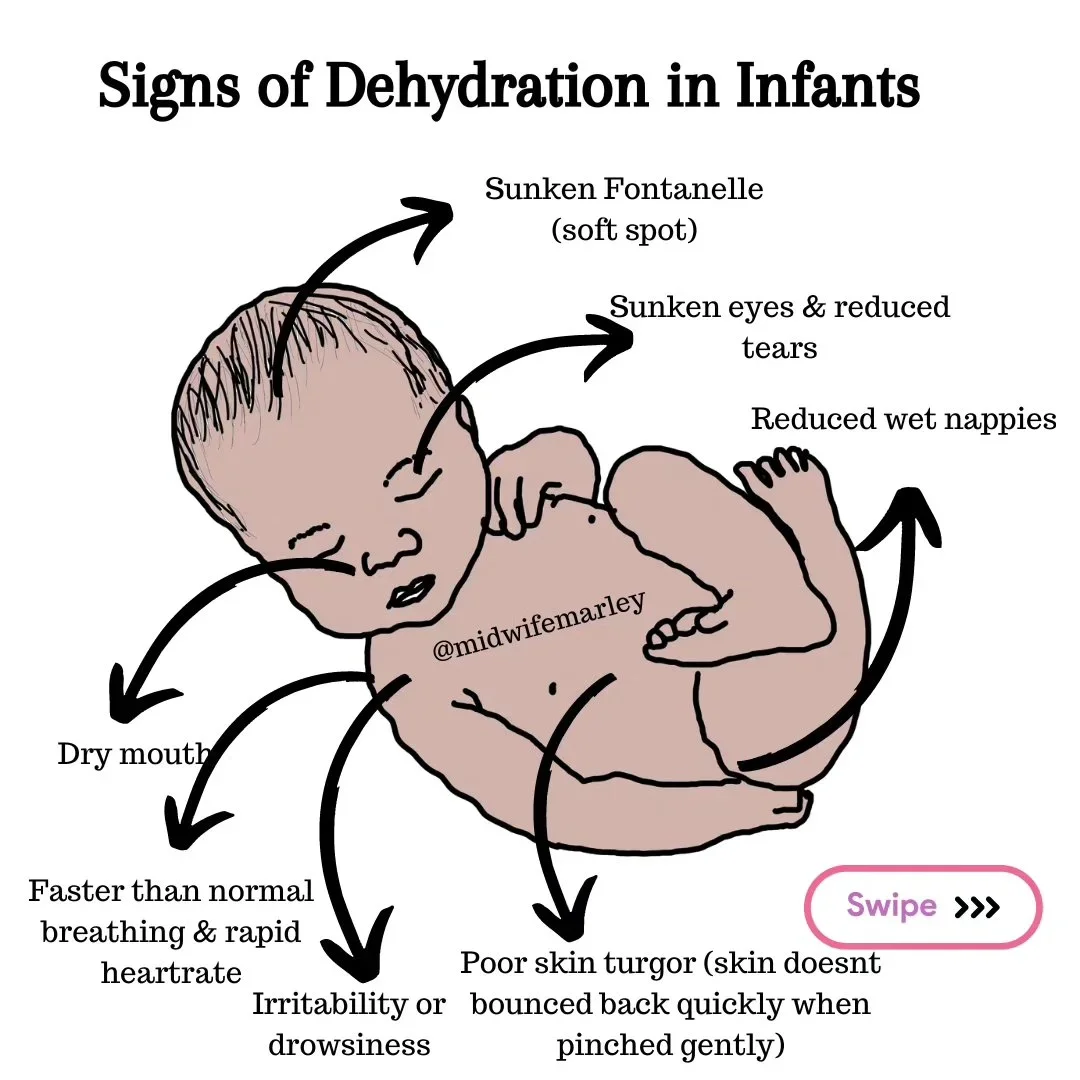
Older infants who have started solid foods require additional fluids to stay hydrated. Here are some signs that your little one may be experiencing dehydration:
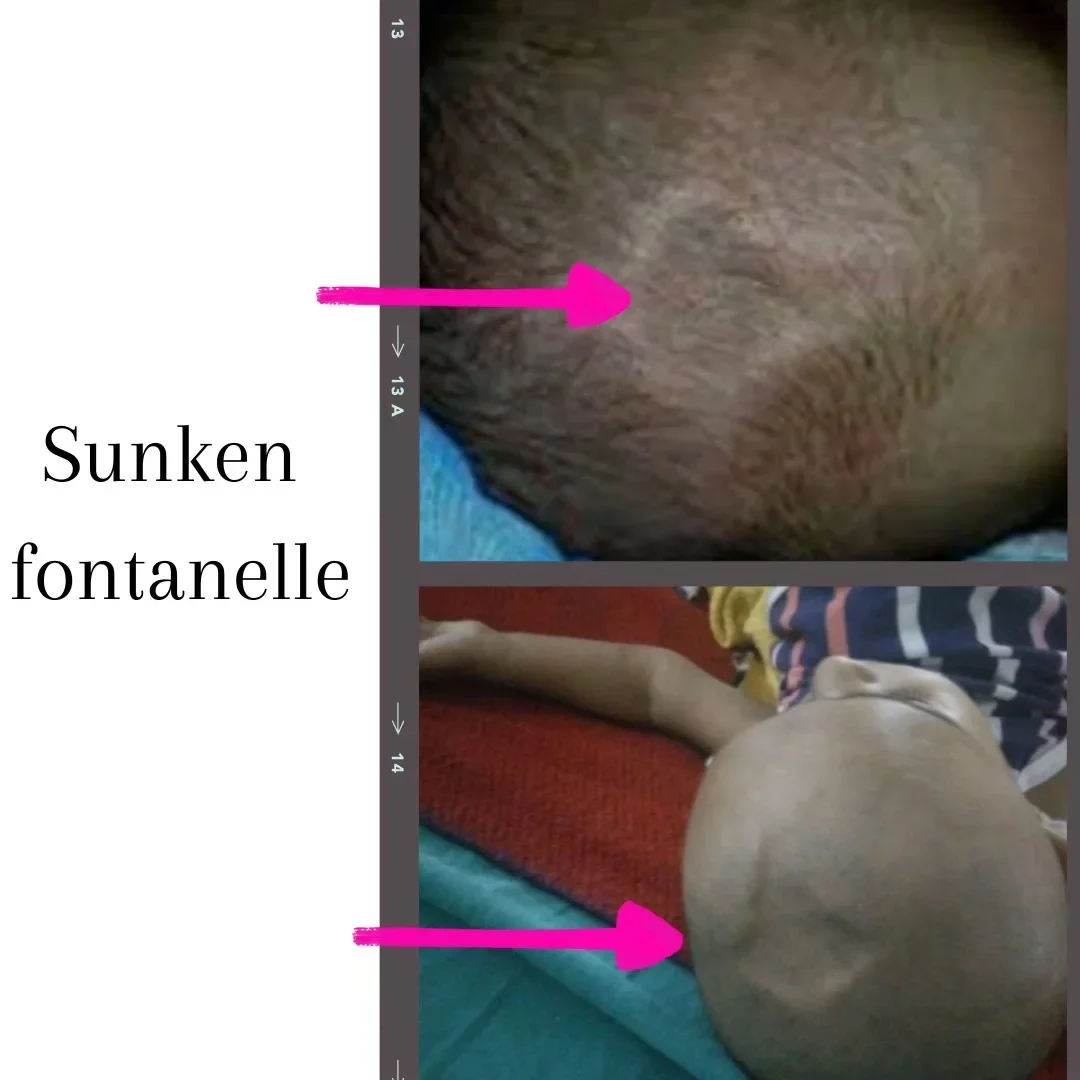
1️⃣ Decreased urine output or darker urine than usual 2️⃣ Dry mouth or lips 3️⃣ Sunken soft spot (fontanelle) on the baby's head 4️⃣ Fewer tears when crying 5️⃣ Lethargy or increased irritability 6️⃣ Sunken eyes or a hollowed appearance 7️⃣ Dry skin with reduced elasticity
☑️ If you suspect that your baby is dehydrated, it's important to take immediate action. Here's what you can do:
1️⃣ Offer fluids: Breast milk or formula should be your baby's primary source of hydration. If your breastfed baby is over six months old and has started solids, or you are formula feeding, you can also provide small sips of water in addition. 2️⃣ Stay cool: Keep your baby in a well-ventilated, shaded area to prevent overheating and excessive sweating. 3️⃣ Dress appropriately: Dress your baby in lightweight, breathable clothing to promote airflow and reduce the risk of overheating. 4️⃣ Consult a healthcare professional: If you notice persistent signs of dehydration or they are unwell and unable to keep fluids down, seek guidance from your healthcare provider.
#summer #feeding #baby #health