Post
So your waters have released (broken, ruptured) but labour hasn't started yet
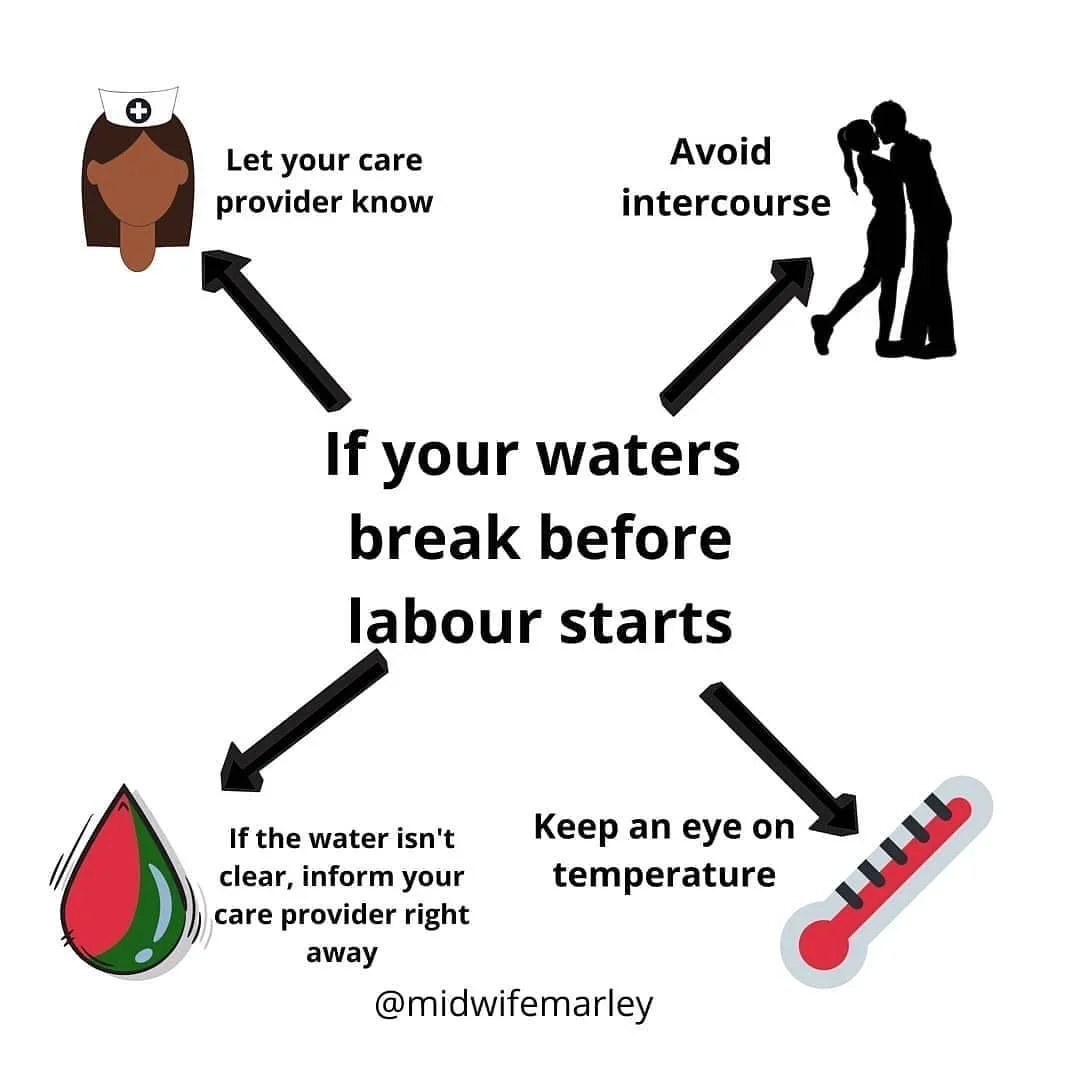
So your waters have released (broken, ruptured) but labour hasn't started yet. What do you do?
The first thing to do is remain calm, it's likely that contractions will begin soon.
When your waters break, you generally have a choice on how you’d like to proceed. You can either have your labour induced as soon as it can be arranged or wait to see if you start to have contractions on your own.
The likelihood is that your contractions will start within 24 hours to 48 hours of your waters breaking. At least 60% of women go into labour within 24 hours and most of the rest go into labour within 48 hours. So waiting for around 24 hours before starting an induction is what your midwife will probably recommend. The reason it's offered at this stage is that there some is evidence to suggest an increased incidence of infection that can occur when the membranes are ruptured for over 24 hours. Do remember that these are recommendations, the final decision on what you do is yours. . If you are 37 weeks and over and your waters have released and been confirmed by your care provider, you will likely be asked to go home and await labour. During this time, keep an eye on your temperature. If it goes over 37.5 celcius or 99.5 Fahrenheit, call in as it could be sign of an infection. Avoid sexual intercourse to avoid infection and keep an eye on the colour of the water. If it turns green or brown or you experience any bleeding you should call in to advise your care provider. . If you are below 37 weeks and your waters break before labour this is called pprom (preterm pre labour rupture of membranes) Depending on your gestation, you may either be induced or left to allow baby to spend more time in the womb. Each case is individual and will be discussed with your obstetrician . . . #labour #preterm #labour #midwifemarley