Reel
The 7 cardinal movements of labour and birth #pregnancy #birth #reproduction #baby #pregnant
By Marley Henry · 9 January 2024
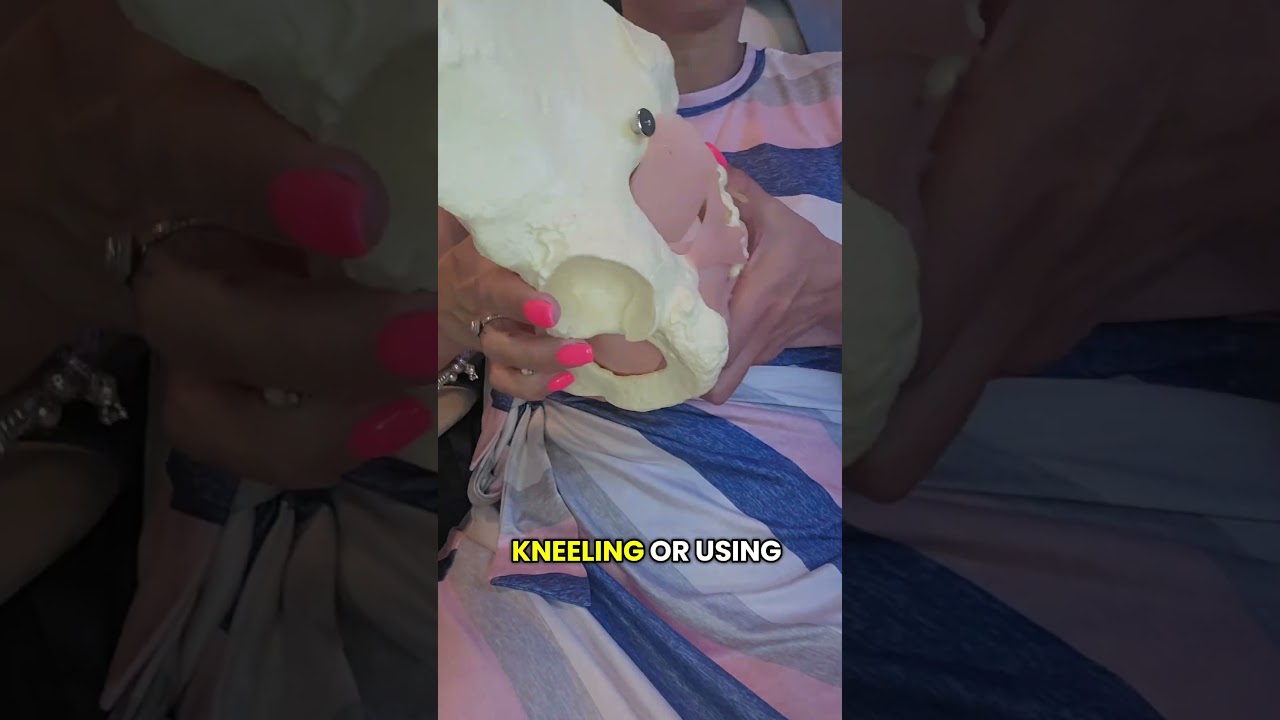
The cardinal movements of labour are the series of turns and position changes a baby makes to fit through the shape of the pelvis during a vaginal birth. The pelvis isn't a straight tube, so the baby has to twist and tuck as they move down.
The 7 cardinal movements
- Engagement: the widest part of the baby's head enters the pelvic brim.
- Descent: the baby moves further down through the pelvis.
- Flexion: the baby tucks their chin to their chest, so the smallest part of the head leads the way.
- Internal rotation: the head turns, usually so the back of the baby's head faces the mother's front, to fit the shape of the mid-pelvis.
- Extension: as the head reaches the vaginal opening, the baby lifts their chin and the head is born.
- Restitution and external rotation: once the head is born, it turns back to line up with the shoulders, then rotates further as the shoulders move into position.
- Expulsion: the front shoulder is born, then the back shoulder, followed by the rest of the body.
Understanding these movements helps explain why positions that open the pelvis, such as being upright, leaning forwards or kneeling, can help a baby move down during labour.