Post
VBAC - VAGINAL BIRTH AFTER C-SECTION
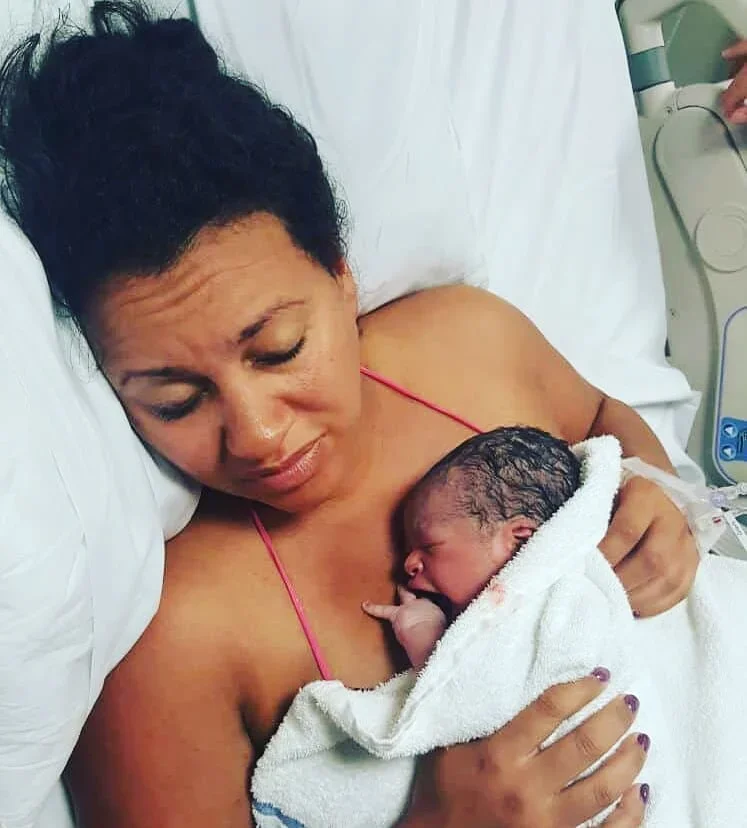
VBAC - VAGINAL BIRTH AFTER C-SECTION I had my first VBAC in 2016 (pictured) after a c-section in 2007. It's good to note my very first birth in 2000 was also vaginal. I had my second VBAC in 2019. Both were great experiences and extremely fast births! The first VBAC was an induced birth with the syntocinon hormone drip with no time for analgesia (hence the look on my face 😆) . Most women who have had a caesarean section can safely have a vaginal delivery for their next baby, known as vaginal birth after caesarean (VBAC) if they desire. . You may need some extra monitoring during labour just to make sure everything is progressing well. One of the small risks of having a vaginal birth after a caesarean is uterine rupture. This risk is about 0.5% or 1 in 200. . Caesarean itself also comes with risks so it's good to discuss options openly with your doctor and midwife. Some women however may be recommended to have another caesarean if it is deemed to be safer for both mother and baby. An example of this would be women who have previously had a uterine rupture or those who had a classical (vertical) c-section incision as opposed to a low horizontal one or if your baby is not in a head down (cephalic) position. . Each situation is individual and will need to be discussed with your doctor. The success rate for VBAC's in the UK currently sits at around 75% or 85-90% for women who had also previously had a vaginal birth as well as a caesarean which is pretty great really! More information and stats on VBAC can be found at rcog.org.uk . . . . . . . #birth #vbac #csection #cesarean #caesarean #pregnancy #midwife #obgyn #medical #naturalbirth #pregnancy #thirdtrimester #obstetrics #birthoptions


