Post
Group B Streptococcus (GBS) is a normal bacterium which is carried by 20-40% of…
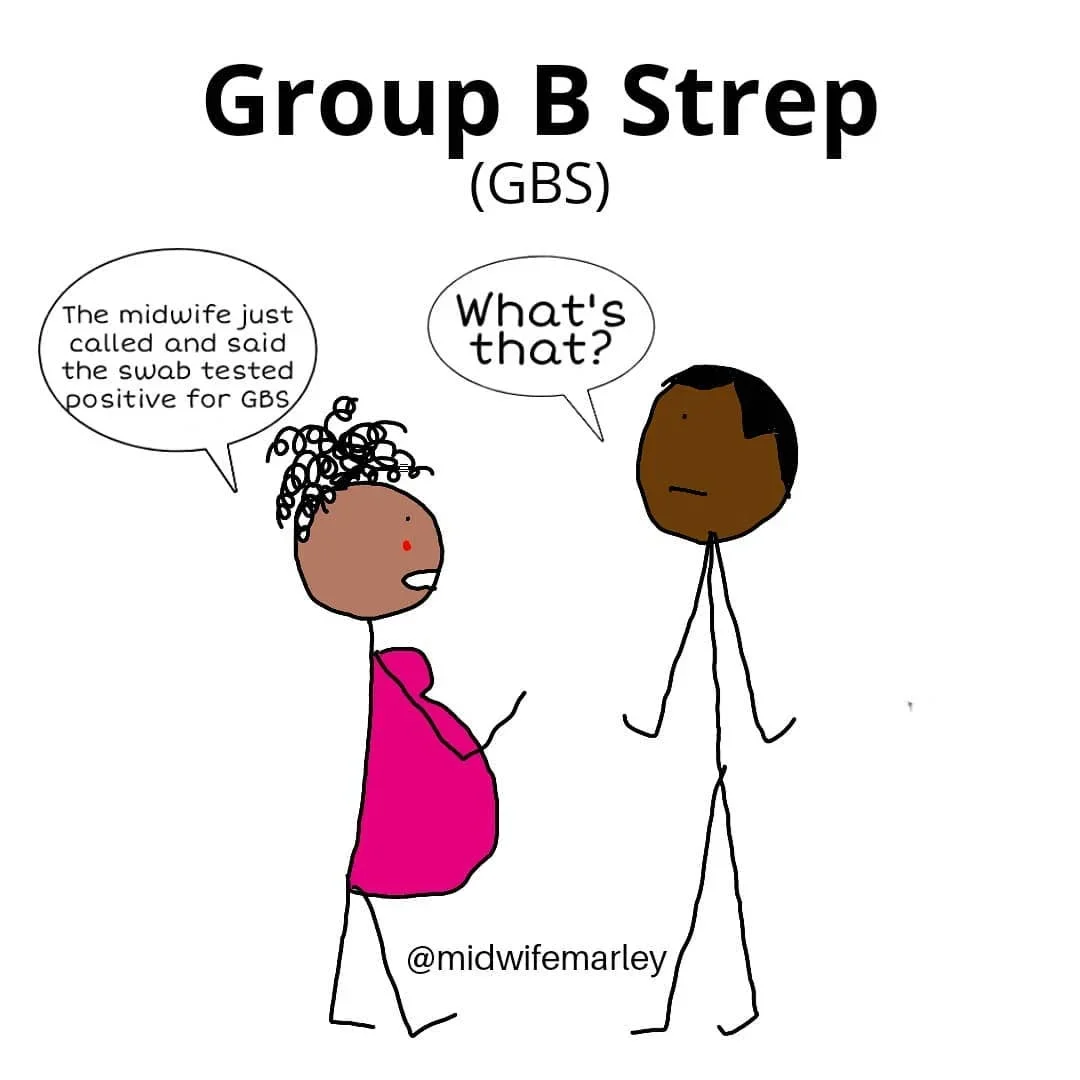
Group B Streptococcus (GBS) is a normal bacterium which is carried by 20-40% of adults, most commonly in the gut, and for up to 25% of women, in the vagina, usually without symptoms or side-effects. GBS can occasionally cause infection, most commonly in newborn babies, sometimes in adults and, very rarely, during pregnancy and before labour. GBS if not treated can increase the risk of miscarriage, stillbirth and menigitis/sepsis in infants. GBS can be tested for via a vaginal swab and if the result is positive, antibiotics can be given in labour to prevent transmission to the baby. In the UK, GBS is not routinely tested for on the NHS but can be picked up via a urine test or swab taken for other reasons. There has been a lot of discussion Re the reliability of GBS testing in pregnancy as some women may test positive during pregnancy but negative in labour and vice versa. This would mean some women receiving unnecessary antibiotics and some women missing out on them when they are needed. The best way to accurately test for GBS is during labour but hasnt been done historically due to the length of time it takes for results to come back. Currently a rapid test for use in childbirth has been manufactured but as far as I am aware is not readily available on the NHS and is not recommended for use by NICE. In the UK you can pay for a private test during pregnancy but remember the result may not indicate your GBS status at birth as its presence in the vagina can come and go. For more info on GBS and testing, visit Gbss.org.uk or nice.org.uk and search 'gbs' . . . . . #gbs #pregnancy #testing hospital #medical #screening #pregancytest #pregnancyadvice #midwifemarley #midwifery #groupbstrep #infection #studentmidwife #study #health #pregnant #doctor #clinic #test


