Post
If you're pregnant and have a history of high blood pressure (hypertension), or have…
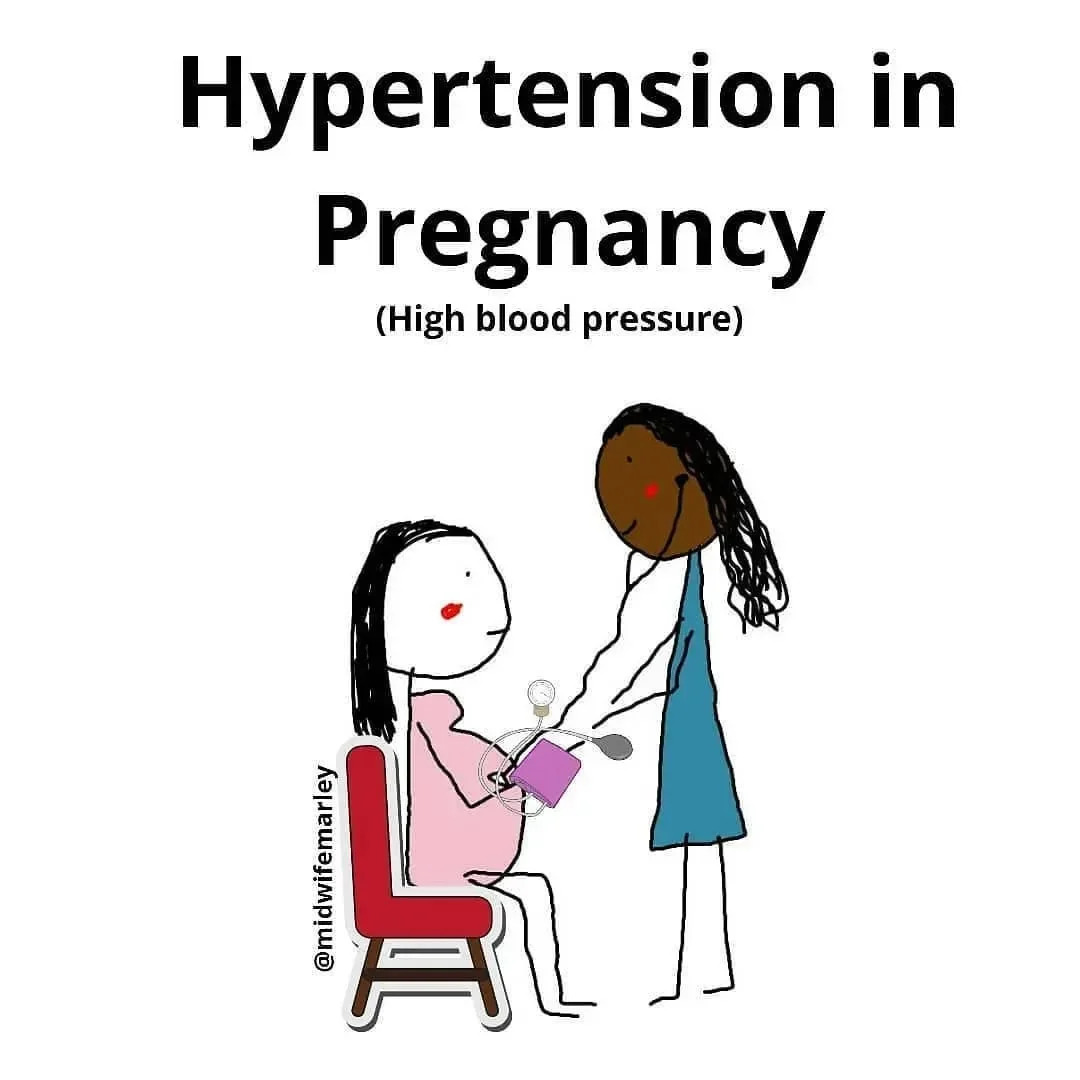
If you're pregnant and have a history of high blood pressure (hypertension), or have developed high blood pressure for the first time in pregnancy, you will be monitored carefully by your care provider. According to the NHS High blood pressure in pregnancy falls into 3 catergories: . mild – blood pressure between 140/90 and 149/99mmHg (millimetres of mercury); may be checked regularly but does not usually need treatment
moderate – blood pressure between 150/100 and 159/109mmHg
severe – blood pressure of 160/110mmHg or higher. .
If you already take medication for hypertension and find out you're pregnant, inform your doctor asap as they may need to change your medication. . Some women suffer from hypertension that occurs in pregnancy that disappears a while after. It still needs to be monitored and treated however if it gets too high. . Others may have hypertension after 20 weeks due to a pre-eclampsia, a condition caused by the placenta that makes your blood pressure rise. If your care provider suspects pre-eclampsia they will arrange further tests. Signs of pre-eclampsia include high blood pressure, protein in the urine, chest pain, sudden extreme swelling, headaches and visual disturbances. Not everyone has all these symptoms but most with pre-eclampsia will have at least 2, the most common being high blood pressure and protein in urine. Even if your blood pressure isn't at the limits above but has raised significantly from when you booked in early pregnancy, it may be a reason to investigate further if other symptoms are present. . Is there anything you can do to keep your blood pressure low? Eating a balanced diet and reducing salt intake may help to reduce blood pressure.


