Post
After you've had a baby, it's pretty common to find that you can't hold your pee like…
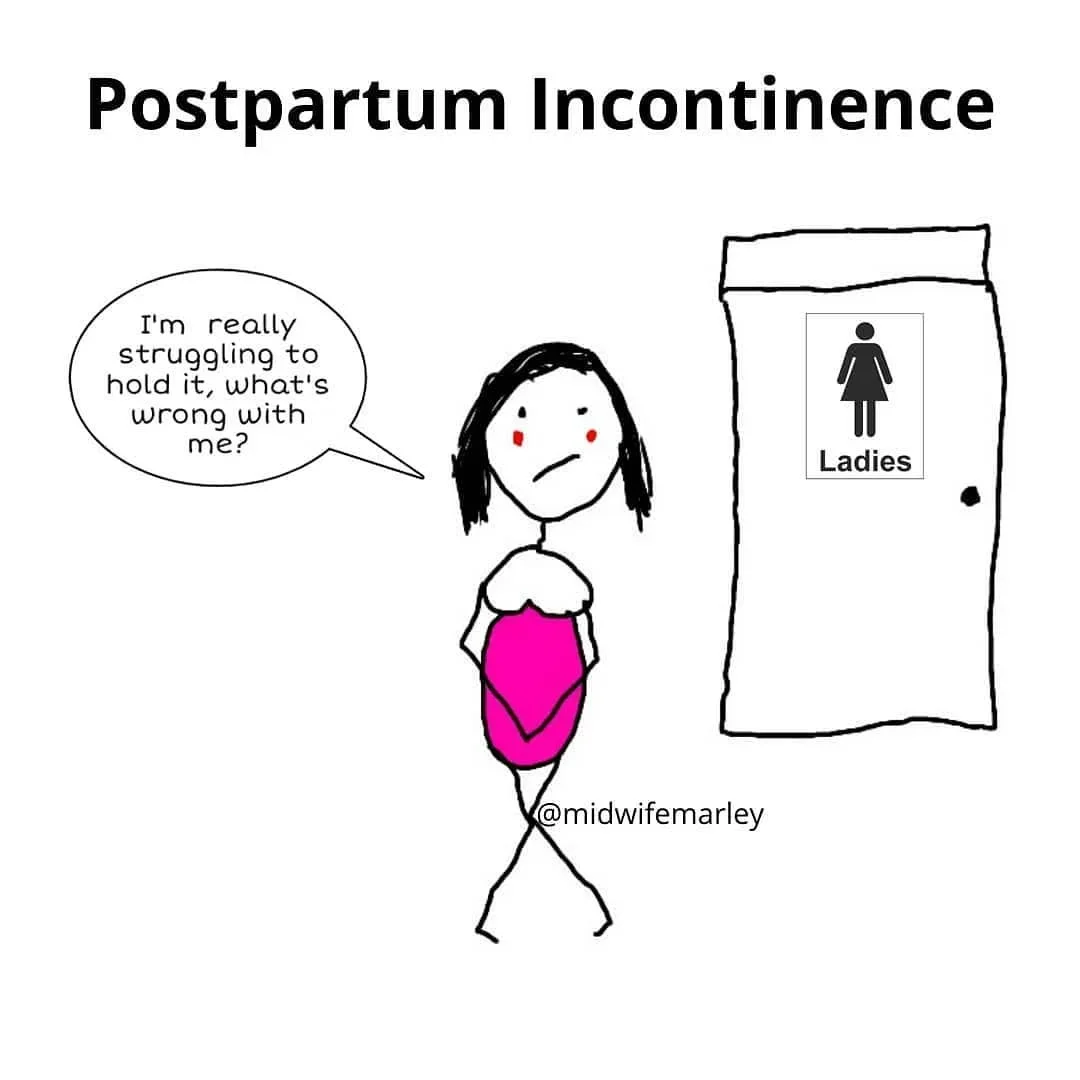
After you've had a baby, it's pretty common to find that you can't hold your pee like you used to be able to pre baby. Giving birth vaginally weakens your pelvic floor muscles but even the pressure of the pregnancy can affect the pelvic floor hence why even women who have had c-sections can suffer. . The pressure inside your bladder becomes greater than the strength of your urethra to stay closed and any sudden extra pressure sees pee leak out. Your urethra might not be able to stay closed if your pelvic floor muscles are weak or damaged. Alternatively, the muscle that keeps the urethra closed might be damaged. You may find that you are struggling to hold your pee or may not be able to hold it at all. Postpartum incontinence is treatable but you must visit your doctor and/or physiotherapist as soon as possible.
Preventing issues - If you're pregnant or planning to get pregnant, you should start doing pelvic floor exercises (kegels) straight away. This will lower your risk of experiencing incontinence after you have your baby. Once you have given birth, start your pelvic floor exercises as soon as you are able, this will prevent issues later in life. . . . . . . . . . . #pelvicfloor #womenshealth #pelvichealth #postnatal #pelvicpain #pelvicfloorexercises #health #pregnancy #incontinence #kegels #postnatalfitness #endometriosis #physicaltherapy #menopause #pelvicfloorhealth #pelviperineal #physiotherapy #pisopelvico #pelvicfloordysfunction #rehabilitacion #postpartum #suelopelvico #cekipp #kinepisopelvico #fitness #baby #diastasisrecti #pregnant #pelvis #bhfyp